






What's Happening?
Peter Ticktin, a Florida attorney and longtime friend of President Donald Trump, is advocating for the declaration of a national emergency concerning election security. Ticktin, who has known Trump since their time at the New York Military Academy, has been
vocal about claims of foreign interference in the 2020 U.S. presidential election. Despite multiple investigations and U.S. intelligence agencies finding no evidence of widespread fraud or foreign interference affecting the election outcome, Ticktin continues to promote these claims. He has suggested that countries like Venezuela, China, and Iran were involved, and anticipates that evidence will eventually be made public. Ticktin has also been involved in drafting proposals and legal memoranda that argue for increased federal authority over election administration through emergency powers.
Why It's Important?
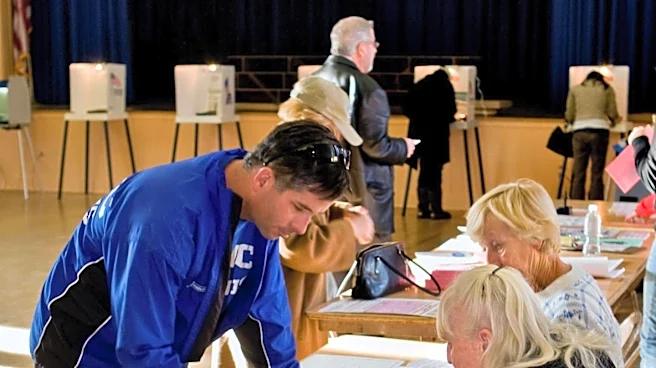
The push for a national emergency declaration over election security by figures like Peter Ticktin highlights ongoing tensions and divisions within U.S. politics regarding election integrity. If such a declaration were made, it could significantly alter the administration of elections, potentially centralizing control at the federal level. This move could face substantial legal challenges, as election law experts argue that the U.S. Constitution assigns primary responsibility for elections to the states and Congress. The implications of such a shift could affect voter confidence, the balance of power between state and federal governments, and the overall democratic process in the United States.
What's Next?
While Ticktin's proposals have not been adopted as official policy, they reflect a broader narrative among some of President Trump's allies who continue to question the legitimacy of the 2020 election results. The upcoming midterm elections could see increased scrutiny and legal challenges related to election security. Additionally, any attempt to declare a national emergency could prompt significant legal battles and political debate, potentially influencing future legislative efforts around election reform and security.