

What's Happening?
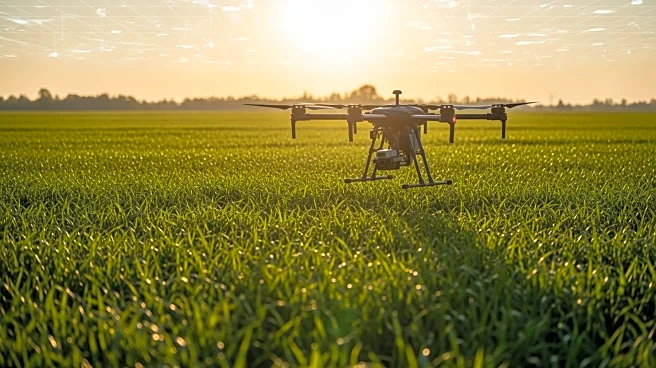
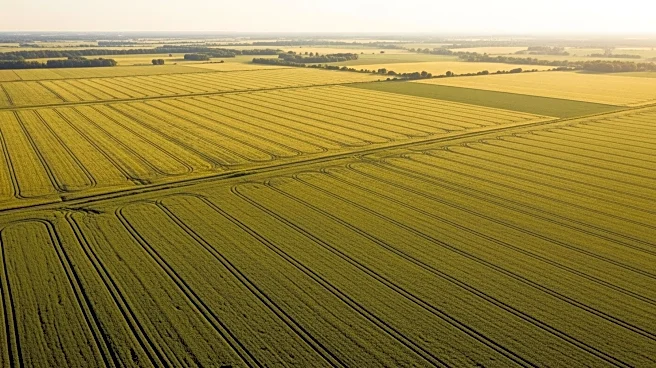
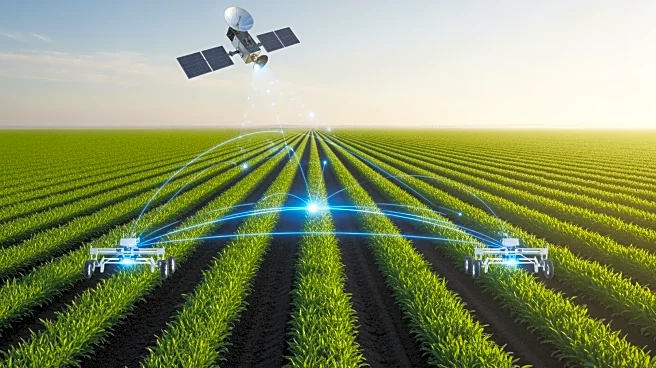
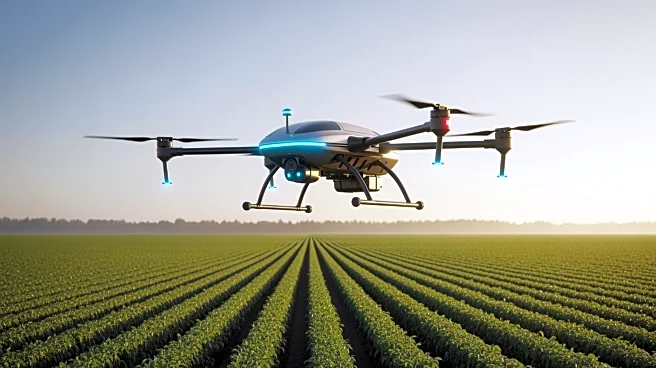
Smart farming is transforming agriculture in China, with digital intelligence and automation replacing traditional manual methods. The Beidou Navigation Satellite System guides modern seeders in Inner Mongolia, planting with precision and reducing human
error. Autonomous vehicles and smart irrigation systems are being deployed to enhance efficiency and reduce costs. This technological shift is part of China's 15th Five-Year Plan, which aims to improve agricultural productivity through advanced machinery and methods. The integration of smart technologies is addressing labor shortages and improving crop yields, with significant productivity gains reported in regions like Qingdao and Ordos.
Why It's Important?
The adoption of smart farming technologies in China has the potential to significantly impact global agriculture by setting new standards for efficiency and productivity. By leveraging automation and satellite guidance, China is addressing critical challenges such as labor shortages and resource management, which are common in agriculture worldwide. This shift not only enhances food security but also supports rural revitalization by creating more sustainable and profitable farming practices. The success of these initiatives could influence other countries to adopt similar technologies, potentially transforming global agricultural practices.