




What's Happening?
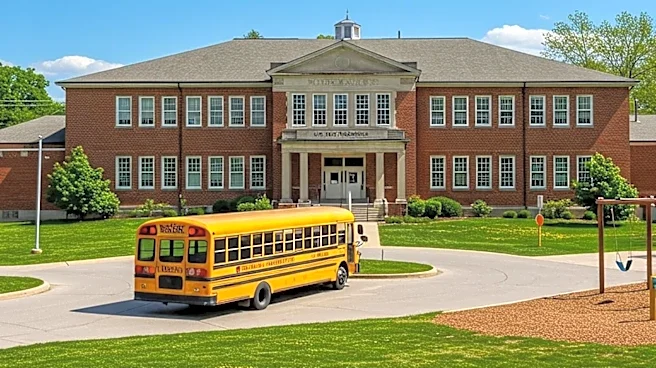
Bessemer City Schools has closed Abrams Pre-K Center, sending students and employees back to their previously assigned home schools, following persistent concerns about mold. The closure comes nearly two weeks after ABC 33/40 first reported on the issue.
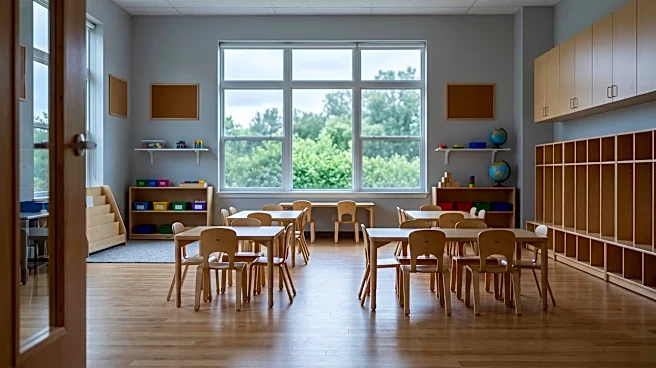
Superintendent Michael Turner initially acknowledged 'moderate levels of mold' after environmental testing and stated that a third-party cleaning service had removed it. However, follow-up testing continued to show a 'moderate presence of mold' in one unoccupied classroom, leading to the center's closure. Questions have arisen regarding the timeline of events, as emails obtained by ABC 33/40 indicate that photographs and concerns were presented to Superintendent Turner and a state intervention official more than a week before parents were notified. Furthermore, teachers provided ABC 33/40 with timestamped photographs from July 30 showing extensive discoloration, and one teacher reported suspected mold directly to the Director of Maintenance on July 16, contradicting the district's stated timeline of August 17 for initial teacher reports.
Why It's Important?
This situation is critically important for the Bessemer community, particularly for the families of the Abrams Pre-K students and the school staff. The closure disrupts early childhood education for these students, requiring them to transition back to different schools, which can impact their learning and social development. The health implications of mold exposure for young children and school employees are a significant concern, raising questions about the safety of school environments. The discrepancy in timelines and the superintendent's cancellation of a press conference erode public trust in the school district's leadership and its transparency. This incident highlights the broader issue of facility maintenance and environmental safety in public schools, which can have long-term consequences for student health, academic performance, and community confidence in educational institutions. It also underscores the role of local media in holding public officials accountable.
What's Next?
Students from Abrams Pre-K Center are scheduled to report to their previously assigned home schools. The Central Alabama AFT continues to demand the release of testing documentation and insists that students and employees should not return until the building is certified safe. The Education Association of Bessemer has called for the resignation of Director of Maintenance Reginald Mitchell and an immediate review of district facilities, environmental concerns, maintenance procedures, safety documentation, and inspection records. ABC 33/40 has made multiple requests for an interview with Superintendent Turner, which have not been acknowledged. The community will likely await further updates from the school district regarding the remediation efforts at Abrams Pre-K Center and any investigations into the handling of the mold concerns. The ongoing lack of transparency from district leadership may lead to increased pressure from parents, teachers, and community organizations for accountability and clear communication.
Beyond the Headlines
The situation at Abrams Pre-K Center extends beyond immediate health and logistical concerns, touching upon deeper issues of institutional accountability and the prioritization of public welfare. The alleged delay in addressing mold issues and the lack of transparent communication from school leadership can foster a climate of distrust between the community and its public institutions. This incident may prompt broader scrutiny of facility management practices across other schools in the district and potentially statewide, leading to calls for more stringent oversight and proactive maintenance protocols. Ethically, the situation raises questions about the responsibility of public officials to ensure safe learning and working environments, particularly for vulnerable populations like young children. The long-term implications could include a re-evaluation of how environmental hazards are reported, investigated, and remediated in educational settings, aiming to prevent similar occurrences and restore public confidence in school safety.