



What's Happening?
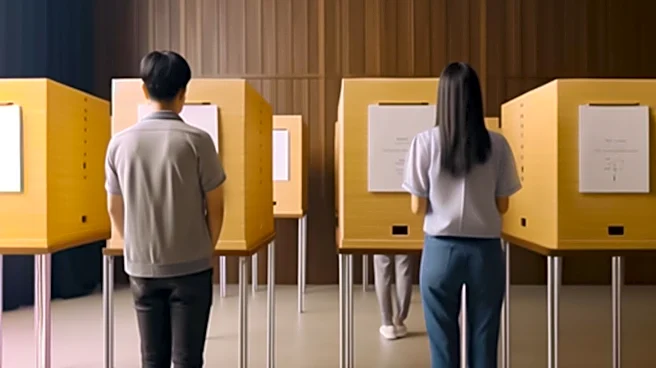
Tensions between state election officials and the Trump administration escalated during a recent election security call hosted by the Cybersecurity and Infrastructure Security Agency (CISA). Arizona Secretary of State Adrian Fontes openly criticized CISA officials,
stating, 'I don’t trust you,' and questioning why states should trust an administration that threatens to criminalize their work. This sentiment was echoed by Minnesota Secretary of State Steve Simon, who highlighted the unhelpfulness of political leaders hinting at imprisoning election administrators. The call, intended to address election security ahead of the November elections, provided few assurances to state officials, with participants noting that CISA leaders seemed more focused on the 2028 presidential election rather than immediate threats. The Trump administration's second term has seen a significant scaling back of CISA's support for states, including staff reductions and an investigation into its former leader. This shift has led to a lawsuit by a coalition of Democratic states and officials against the Department of Homeland Security, accusing the administration of withholding FEMA funding to coerce states into adopting disputed election changes.
Why It's Important?
The strained relationship between state election officials and the federal government under the Trump administration poses a significant threat to the integrity and security of U.S. elections. CISA, traditionally a crucial resource for states in combating cyberattacks and foreign interference, has seen its role diminished, leaving states feeling unsupported and vulnerable. The threats of arrest for election officials allowing non-citizens to vote and the withholding of federal funds for non-compliance with administration-backed election overhaul proposals create an environment of distrust and coercion. This situation undermines the collaborative efforts necessary to safeguard democratic processes and could lead to inconsistencies in election administration across states. The lack of federal support forces states to independently address complex security challenges, potentially increasing the risk of successful cyberattacks or other disruptions, and eroding public confidence in election outcomes. The politicization of election security also exacerbates partisan divisions, making it harder to implement unified and effective national strategies.
What's Next?
State election officials, particularly those in Democratic-led states, are likely to continue their efforts to secure elections independently, filling the gaps left by reduced federal support. This may involve increased state-level funding for cybersecurity measures, enhanced training for election personnel, and continued legal challenges against the Trump administration's policies. The upcoming November election will serve as a critical test of these decentralized security efforts. The ongoing lawsuit against the Department of Homeland Security regarding FEMA funding could also see further developments, potentially influencing the administration's approach to state cooperation. Some participants on the CISA call, like Washington Secretary of State Steve Hobbs, expressed cautious optimism that the call could be a 'positive step' towards rebuilding relations, suggesting that future engagements might occur, though significant trust-building efforts would be required. However, without a clear shift in the administration's stance, the adversarial dynamic is expected to persist, with states largely 'on their own' for election assistance.
Beyond the Headlines
The current friction between state election officials and the Trump administration highlights a deeper ideological battle over the control and administration of elections in the U.S. The administration's actions, including threats against officials and the politicization of CISA, reflect a broader strategy to centralize power and influence electoral processes. This approach raises fundamental questions about federalism and the balance of power between state and federal authorities in safeguarding democratic institutions. The erosion of trust in federal agencies like CISA could have long-term consequences, making it difficult to re-establish effective inter-governmental cooperation on critical national security issues, even under future administrations. Furthermore, the narrative of election insecurity, fueled by such disputes, risks undermining public faith in the democratic system itself, potentially leading to decreased voter participation and increased political instability. The ethical implications of using federal funding and legal threats to influence state election policies also warrant scrutiny, as they could set dangerous precedents for future political contests.