







What's Happening?
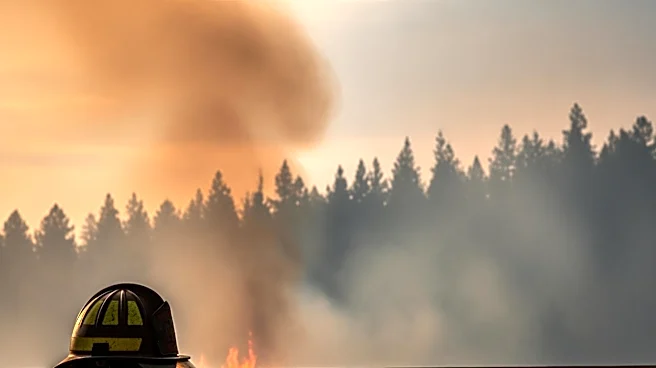
Businesses in Florida, Georgia, and South Carolina are facing challenges due to unhealthy air quality caused by wildfire smoke. Employers in industries such as agriculture, construction, and tourism are required to take safety precautions under federal
and state laws to protect their employees. The Occupational Safety and Health (OSH) Act mandates that workplaces be free from recognized hazards, including wildfire smoke. Employers are advised to monitor air quality, maintain ventilation systems, and provide training on smoke exposure symptoms. Additionally, accommodations may be necessary for employees with disabilities aggravated by poor air quality.
Why It's Important?
The presence of wildfire smoke in the workplace poses significant health risks, particularly for individuals with pre-existing conditions such as asthma or heart disease. Employers must navigate complex legal requirements to ensure a safe working environment, which includes providing reasonable accommodations under the Americans with Disabilities Act (ADA). Failure to comply with these regulations can result in legal liabilities and health complications for employees. This situation highlights the broader implications of environmental factors on workplace safety and the legal responsibilities of employers to adapt to changing conditions.
What's Next?
Employers in affected areas may need to adjust work schedules, reduce physical demands, or move operations indoors to mitigate the impact of wildfire smoke. Ongoing monitoring of air quality and consistent application of accommodations are essential to prevent discrimination lawsuits and ensure employee safety. As environmental conditions evolve, businesses must remain vigilant and responsive to maintain compliance with safety regulations and protect their workforce.