
What's Happening?
UNICEF has issued a warning that the current El Niño weather pattern, projected to be one of the strongest on record, is set to expose over 347 million children across nearly 100 countries and territories
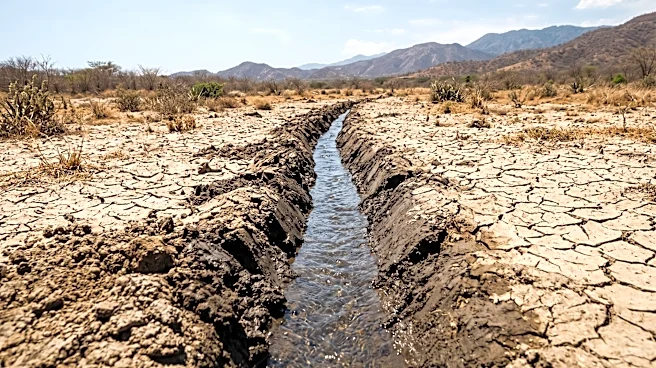
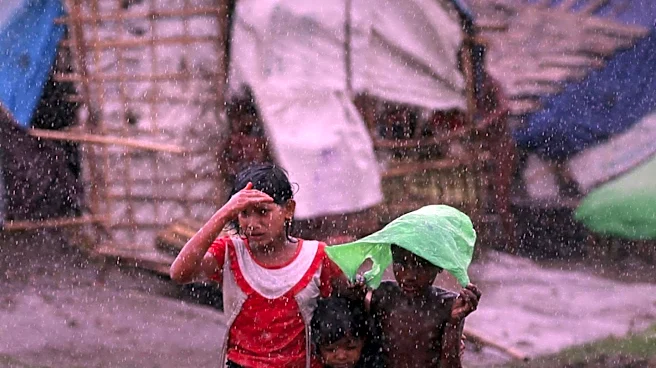
to devastating consequences. This naturally recurring climate phenomenon, characterized by warming surface temperatures in the central and eastern Pacific, disrupts global weather systems, leading to extreme conditions such as heavy flooding and severe drought. The most intense impacts are anticipated between November 2026 and January 2027. UNICEF Executive Director Catherine Russell emphasized that for children, El Niño signifies increased displacement, malnutrition, water shortages, disease outbreaks, school closures, and financial hardship for families. The Asia-Pacific region is expected to bear the brunt, with an estimated 190 million children at risk, followed by 41 million in Eastern and Southern Africa, and another 41 million in Latin America and the Caribbean. UNICEF USA and its partners are already providing support to affected communities and pre-positioning supplies, focusing on maintaining access to essential services during these extreme weather events.
Why It's Important?
The widespread impact of El Niño, as highlighted by UNICEF, underscores a critical humanitarian crisis with far-reaching implications for global child welfare and development. The projected increase in displacement, malnutrition, and disease outbreaks threatens to reverse progress in child health and survival in many vulnerable regions. School closures, a direct consequence of extreme weather, will disrupt education for millions, potentially leading to long-term educational setbacks and increased risks of children dropping out. Economically, families facing added financial hardship due to agricultural losses or damaged infrastructure will struggle to provide for their children, exacerbating poverty cycles. The warning also emphasizes the disproportionate vulnerability of children in crisis- and conflict-affected countries, where existing challenges like hunger and limited access to services will be intensified. This situation calls for urgent international attention and investment in disaster risk reduction, as every dollar invested in prevention can save significantly more in recovery costs, highlighting the economic and social imperative of early action.
What's Next?
UNICEF USA is urging governments, donors, and partners to significantly increase early investments in system strengthening and other preventative measures to mitigate the escalating needs. The organization stresses the importance of acting now, before the impacts of El Niño peak, by strengthening climate-resilient systems, protecting essential services for children, and ensuring humanitarian access to affected communities. UNICEF country offices in South America have already activated emergency teams and updated contingency plans, while in Central America, nutrition and WASH support is being delivered to drought-affected areas. In Caribbean countries, efforts are focused on enhancing water management and early warning systems. The call for greater investment in disaster risk reduction and prevention is a key next step, as less than 1% of humanitarian funding currently goes towards anticipatory action. Continued monitoring of weather patterns and rapid deployment of resources to at-risk regions will be crucial to minimize the humanitarian toll on children and their families.
Beyond the Headlines
The El Niño crisis, as framed by UNICEF, extends beyond immediate humanitarian aid to reveal deeper systemic issues related to climate vulnerability and global equity. The fact that nearly half of all children worldwide are already exposed to at least three overlapping climate-related hazards underscores a persistent environmental injustice, where the most vulnerable populations bear the brunt of climate change impacts despite contributing least to its causes. The potential for increased child marriage rates, as observed during Ethiopia's 2022 drought, highlights the severe social and ethical implications, where desperate families resort to harmful coping strategies. This situation also brings to light the critical need for integrated approaches that combine climate adaptation with child protection and education strategies. Long-term shifts may include increased migration due to climate displacement, further straining resources in host communities and potentially leading to prolonged instability. Addressing these complex challenges requires not only immediate humanitarian response but also sustained global commitment to climate resilience, poverty reduction, and the protection of children's rights in an increasingly volatile climate landscape.