



What's Happening?
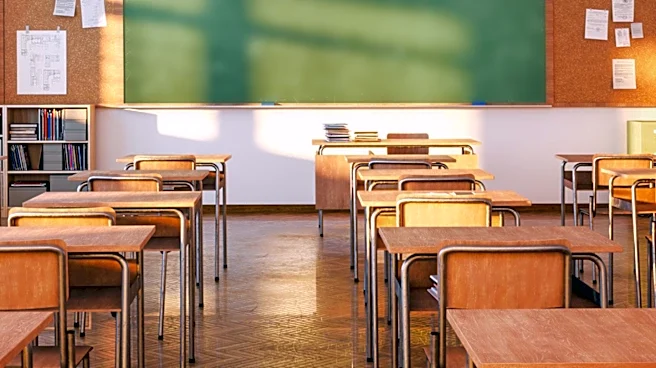
Two members of the Minneapolis School Board, Greta Callahan and Sharon El-Amin, have drafted a resolution to pause the ongoing school closure process. This proposal, reported by the Minnesota Star Tribune, comes as the debate over the future of Minneapolis Public
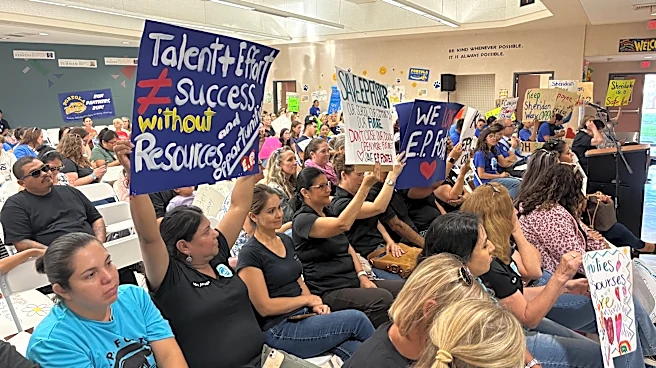
Schools intensifies. Their initiative follows a separate appeal from Minneapolis City Council members, who have urged the school board to explore alternative solutions before proceeding with any closures. The current dispute highlights the complex challenges faced by urban school districts, which must balance factors such as fluctuating enrollment, building maintenance costs, the effectiveness of educational programs, and the broader impact of consolidating neighborhood schools. For families directly affected, school closures can lead to significant disruptions, including changes in student transportation, classroom environments, peer relationships, and access to local educational resources. The school board has not yet adopted this proposed delay, and further actions will depend on its upcoming deliberations.
Why It's Important?
This move by Minneapolis School Board members underscores the significant community and political pressure surrounding decisions that impact local education. School closures are often contentious, directly affecting students, families, and neighborhoods. A delay in the decision-making process could provide crucial time for a more thorough evaluation of alternatives, potentially leading to solutions that better address community needs and mitigate negative impacts. The involvement of Minneapolis City Council members also highlights the interconnectedness of local governance, where decisions made by one body can have far-reaching consequences across the city. The outcome of this debate will not only shape the future of Minneapolis Public Schools but also set a precedent for how urban districts manage declining enrollment and financial pressures while attempting to maintain community trust and educational equity. The situation reflects a broader national challenge for urban school systems grappling with similar issues.
What's Next?
The immediate next step involves the Minneapolis School Board's consideration of the resolution drafted by Greta Callahan and Sharon El-Amin. The board will need to deliberate on whether to adopt the proposed delay, which would temporarily halt the school closure process. If the delay is approved, it would open a window for further discussions, community engagement, and the exploration of alternative strategies to address the district's financial and operational challenges. Conversely, if the resolution is not adopted, the school closure process is likely to continue as planned, potentially leading to increased public outcry and further pressure from city officials and affected families. Stakeholders, including parents, educators, and community leaders, will be closely watching the board's upcoming decisions, which will determine the timeline and ultimate fate of the proposed school closures.
Beyond the Headlines
The push for a delay in Minneapolis school closures reveals deeper issues within urban education systems, particularly the tension between fiscal responsibility and community preservation. While school districts often face legitimate financial and operational pressures that necessitate difficult decisions, the consolidation of schools can erode neighborhood identity and disrupt established social networks. This situation also brings to light questions of equity, as closures often disproportionately affect marginalized communities that rely heavily on local schools for stability and resources. The debate extends beyond mere logistics, touching upon the fundamental role of public schools as community anchors and the extent to which local governance should prioritize these social functions alongside financial efficiency. The outcome in Minneapolis could influence how other urban districts approach similar challenges, potentially fostering new models for community-inclusive decision-making in education.