

What's Happening?
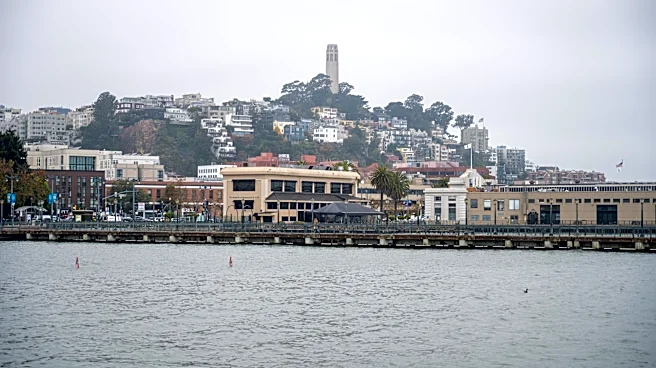
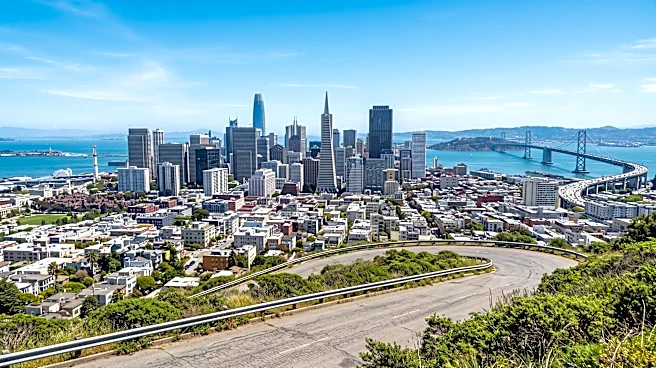
San Francisco Mayor Daniel Lurie has issued a warning to city residents about the ongoing winter storm and flood season, which is being significantly amplified by a very strong El Niño. The Bay Area has already experienced record-breaking rainfall, with
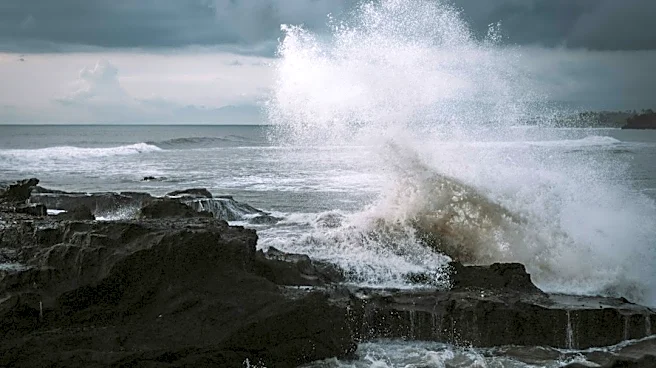
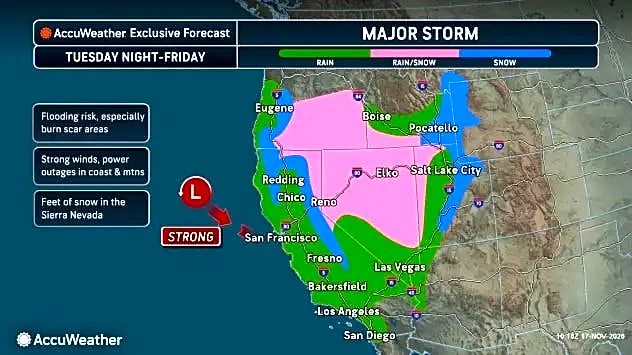
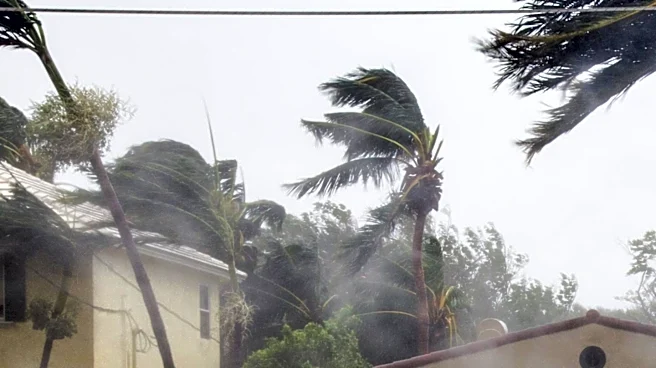
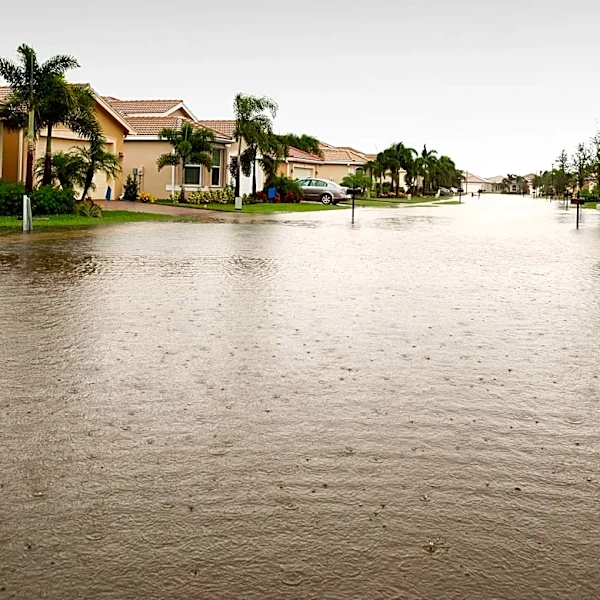
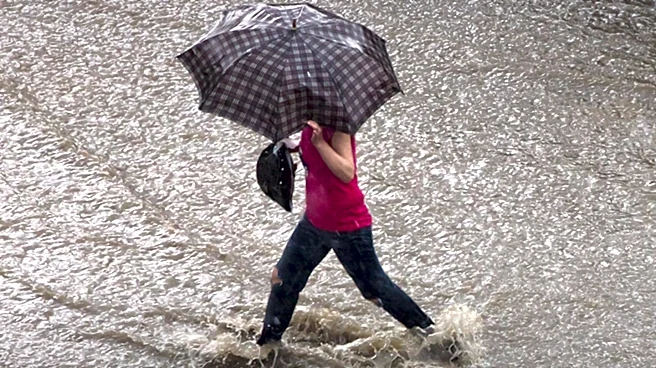
downtown San Francisco recording 2.11 inches before noon, surpassing a 1950 record, and a daily total of 2.28 inches by 3 PM, breaking a 1918 record for November 18th. This atmospheric river has led to widespread flooding and power outages across the region. Mayor Lurie noted that despite a temporary break in the rain, more precipitation is expected tonight and into next week, anticipating continued flooding in previously impacted areas. Southern California is also preparing for the storm's arrival, with warnings for potential coastal flooding, heavy surf, and evacuation orders in mudslide-prone areas.
Why It's Important?
The severe weather conditions, driven by a powerful El Niño, present significant challenges for California's infrastructure and public safety. Record rainfall and subsequent flooding can lead to substantial property damage, disrupt transportation, and strain emergency services. The vulnerability of areas previously affected by wildfires to mudslides further complicates disaster response and recovery efforts. The economic impact extends to businesses facing operational disruptions and increased costs for repairs and mitigation. The ongoing nature of these storms, as highlighted by Mayor Lurie, underscores the critical need for robust urban planning, resilient infrastructure, and effective public communication to minimize risks and protect communities from the escalating effects of climate-related weather events.
What's Next?
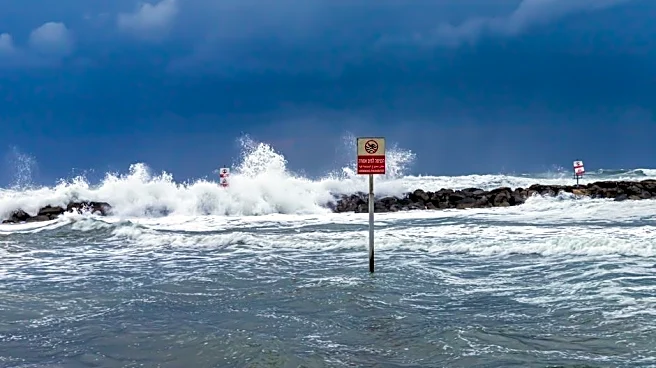
The storm is expected to intensify in Southern California, with Los Angeles officials preparing for potential evacuation orders in areas susceptible to mudslides. Heavy snow warnings have been issued for higher elevations in the Sierra Mountains. San Francisco anticipates more rain and continued flooding, particularly in areas already affected. Local authorities are deploying resources and urging residents to prepare for further impacts, including potential coastal wave damage and additional risks next week due to seasonal high tides coinciding with storm activity. The state's ongoing preparations for El Niño, including sand berms and sandbag distribution, will continue to be crucial in mitigating the storm's effects.
Beyond the Headlines
The current weather crisis in California serves as a stark reminder of the increasing frequency and intensity of extreme weather events linked to climate change and phenomena like El Niño. The strain on urban infrastructure, particularly stormwater systems, reveals systemic vulnerabilities that require long-term investment and innovative solutions. The compounding effect of wildfires creating burn scars that are then highly susceptible to mudslides highlights the interconnectedness of environmental challenges. This situation also brings to the forefront the importance of community resilience and the need for comprehensive, multi-agency approaches to disaster preparedness and climate adaptation, moving beyond immediate response to proactive, sustainable strategies.