




What's Happening?
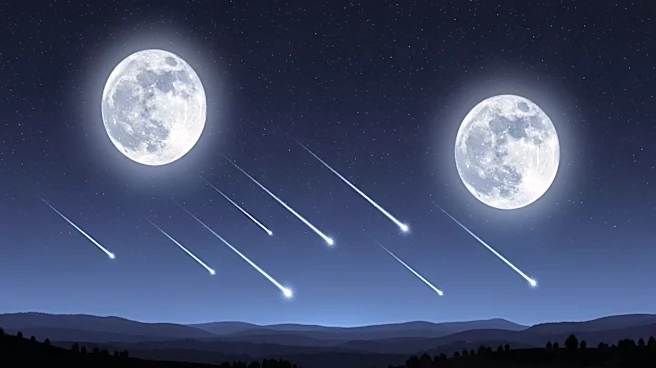
In May 2026, skywatchers will be treated to two full moons, known as the Flower Moon on May 1 and a Blue Moon on May 31. A Blue Moon, which occurs every two to three years, is the second full moon in a single calendar month. The Flower Moon is named for
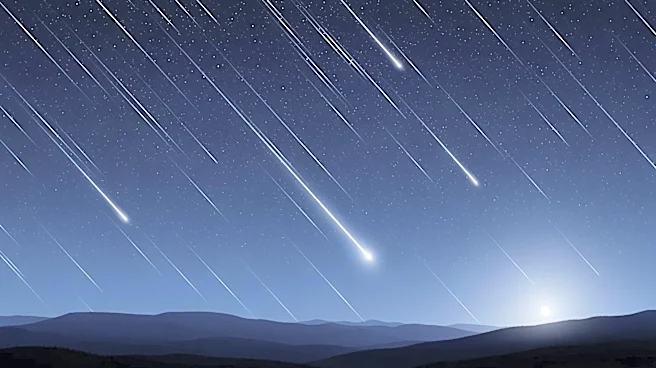
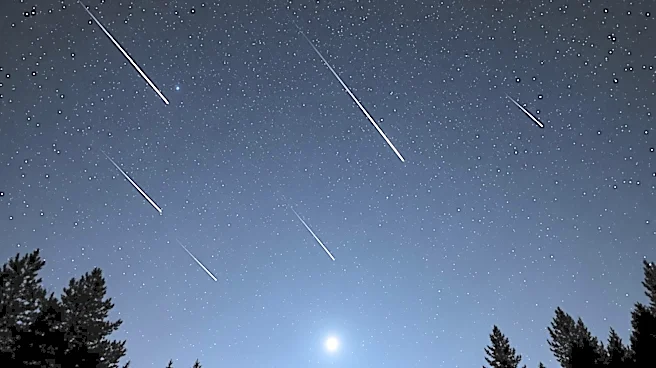
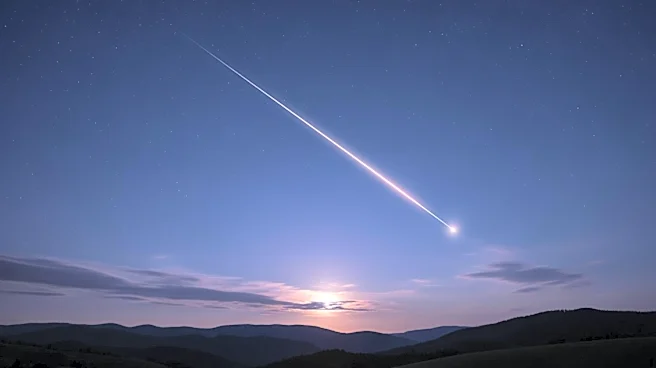
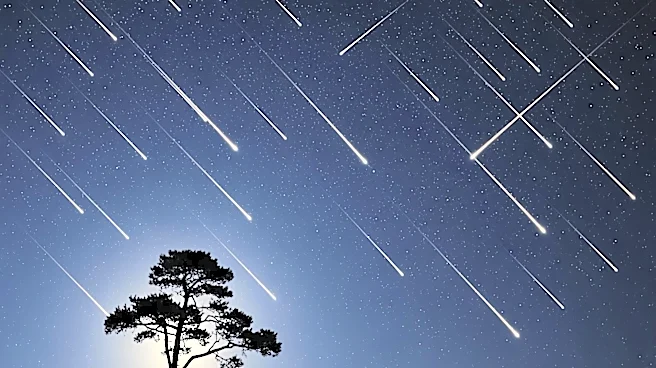
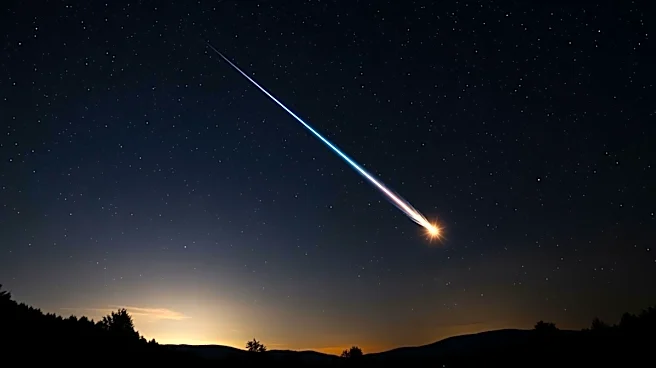
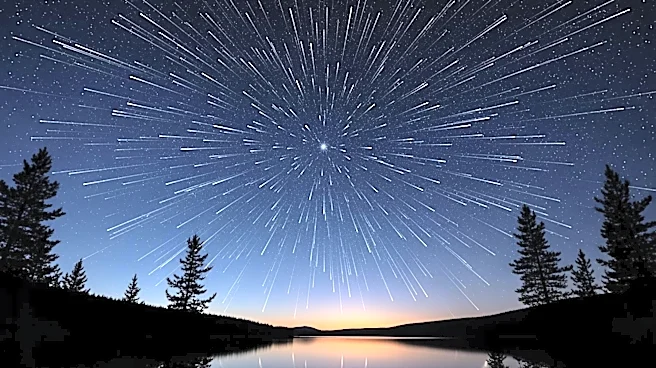
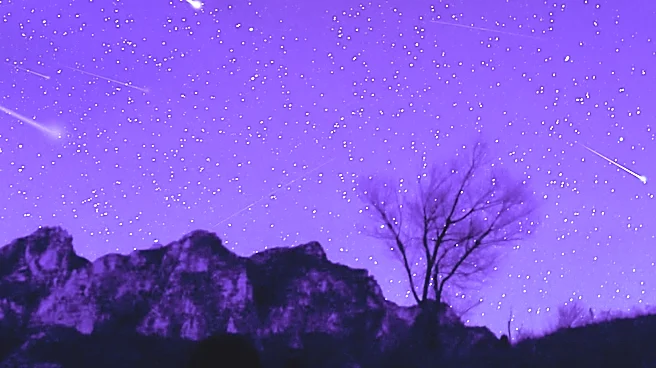
the abundance of blooming flowers during this time of year. Additionally, the Eta Aquarids meteor shower will peak in early May, offering a celestial display as meteors travel at high speeds into Earth's atmosphere. This meteor shower is caused by debris from Halley’s Comet. Later in the year, a total solar eclipse will occur on August 12, with its path of totality crossing Greenland, western Iceland, and northern Spain. However, visibility in the U.S. will be limited to the Northeast and Alaska.
Why It's Important?
The occurrence of two full moons in a single month, along with a meteor shower, provides a unique opportunity for astronomical observation and public interest in celestial events. Such events can inspire educational activities and community gatherings focused on astronomy. The Blue Moon phenomenon, being relatively rare, adds to the intrigue and excitement for both amateur and professional astronomers. The Eta Aquarids meteor shower, associated with Halley’s Comet, offers a glimpse into the remnants of this famous comet, enhancing public understanding of our solar system. The total solar eclipse, although not fully visible across the U.S., will still attract attention and could boost interest in travel to regions where it is visible.
What's Next?
As the dates for these celestial events approach, educational institutions and astronomy clubs may organize viewing events and workshops to engage the public. The media will likely increase coverage of these events, providing information on the best times and locations for viewing. The total solar eclipse in August may prompt travel plans for those wishing to experience the path of totality, potentially impacting tourism in the regions where it will be visible. Additionally, the scientific community may use these events to conduct research and gather data on lunar and solar phenomena.