

What's Happening?
The Ethiopian Ministry of Agriculture has acknowledged ongoing challenges in fertilizer supply, despite progress in crop cultivation. State Minister Meles Mekonnen highlighted issues stemming from global conflicts and logistical constraints, which have
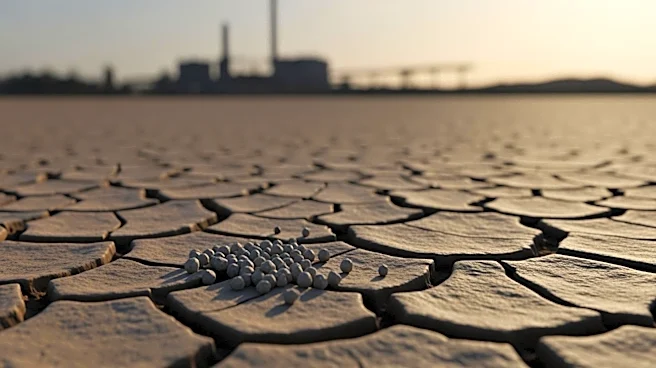
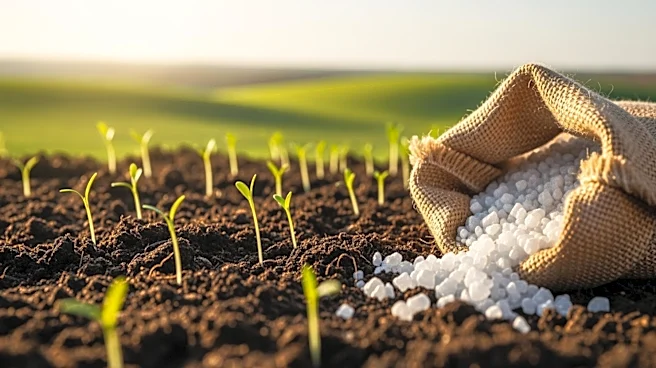
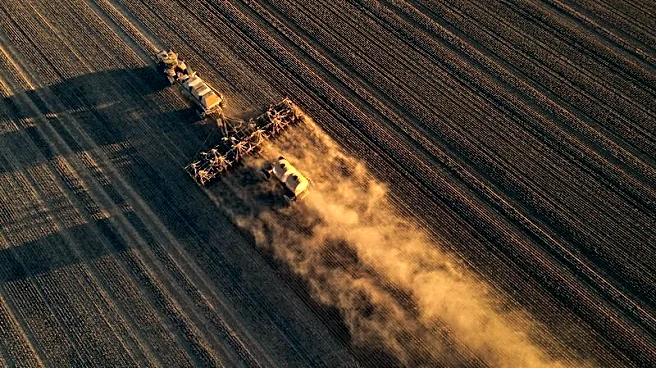
affected fertilizer procurement. The ministry has secured 2.1 million metric tons of fertilizer, with 21 million quintals in stock, but logistical adjustments are necessary due to fuel shortages. Despite these challenges, Ethiopia is nearing its seasonal cultivation target, with 90% of planned hectares covered. The ministry is pursuing both short-term and long-term measures to address fertilizer constraints, including developing a domestic production plant.
Why It's Important?
The challenges in fertilizer supply are critical as they impact Ethiopia's agricultural productivity and food security. The country's reliance on imports makes it vulnerable to global market fluctuations and geopolitical tensions. Addressing these issues is vital for sustaining agricultural growth and reducing import dependence. The government's initiatives to improve domestic production and expand cultivation are essential for achieving long-term food security and economic stability.
What's Next?
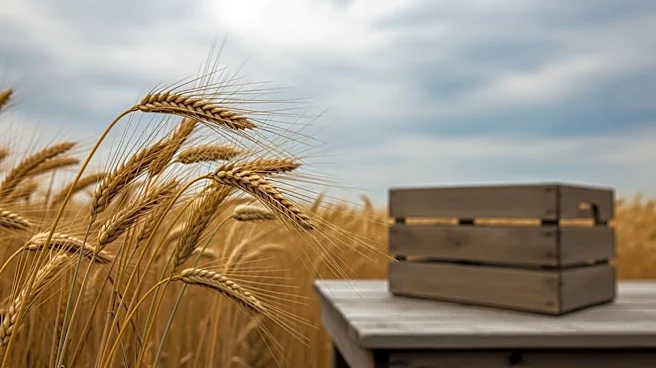
The Ministry of Agriculture plans to continue reforms and logistical adjustments to ensure timely fertilizer supply. The development of a domestic fertilizer production plant is a key long-term strategy to reduce reliance on imports. The government is also focusing on expanding wheat production to position Ethiopia as a potential exporter, which could have significant economic benefits.
Beyond the Headlines
The fertilizer supply challenges highlight broader issues in Ethiopia's agricultural sector, including the need for improved infrastructure and investment in domestic production capabilities. The situation underscores the importance of strategic planning and international cooperation to address supply chain vulnerabilities.