
What's Happening?
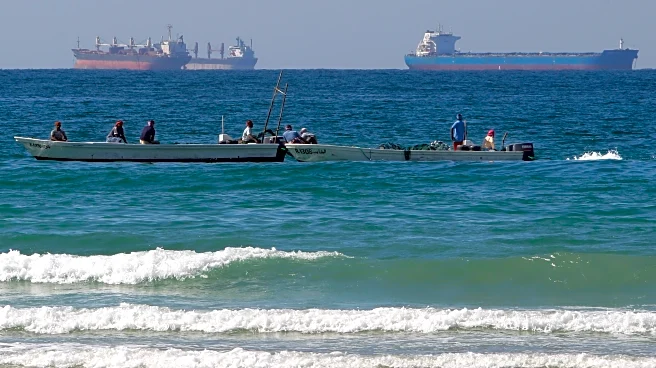
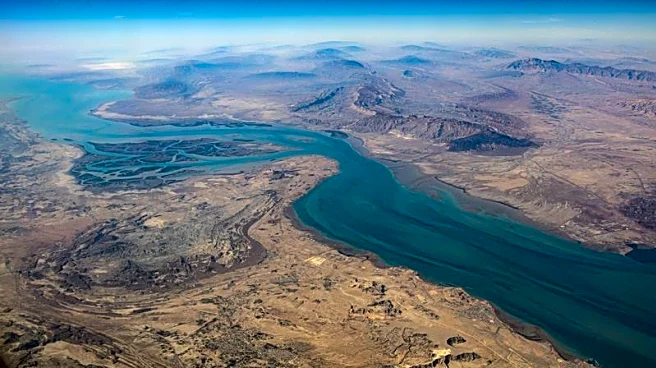
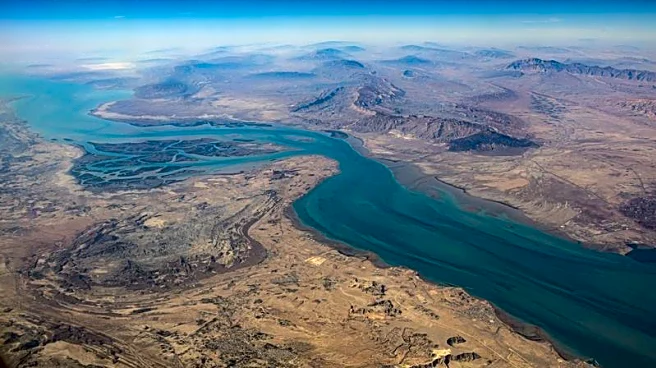
The closure of the Strait of Hormuz by Iran has led to significant disruptions in global energy markets, with South Asia, particularly Pakistan, facing severe challenges. The Strait, a critical passage for global oil trade, has been blocked by Iran, causing
a surge in oil prices. This blockade has halted Qatar's LNG production, a major supplier to Pakistan, which relies heavily on LNG imports from Qatar and the UAE. With limited storage and procurement flexibility, Pakistan is vulnerable to immediate power-sector demand destruction. The situation is exacerbated by Pakistan's existing structural gas deficit, making it difficult to manage the sudden disruption in LNG supplies.
Why It's Important?
The blockade of the Strait of Hormuz has far-reaching implications for Pakistan's energy security and economic stability. As a country heavily dependent on LNG imports for its energy needs, the disruption poses a risk of increased energy costs and potential power shortages. This could lead to economic strain, affecting industries and consumers alike. The situation highlights the vulnerability of countries like Pakistan to geopolitical tensions in the Gulf region, emphasizing the need for diversified energy sources and improved energy infrastructure. The economic impact could also extend to increased inflation and a strain on Pakistan's current account balance.
What's Next?
In response to the blockade, Pakistan may need to explore alternative energy sources and strengthen its energy infrastructure to mitigate future risks. The government might engage in diplomatic efforts to ensure the reopening of the Strait and secure alternative LNG supplies. Additionally, there could be increased pressure on Pakistan to develop domestic energy resources and invest in renewable energy to reduce dependency on imports. The situation may also prompt regional cooperation among South Asian countries to address shared energy security challenges.