








What's Happening?
The FBI has issued a warning about criminals hacking into personal accounts to steal explicit and intimate images, referred to as non-consensual intimate images (NCII). These images are then sold on criminal marketplaces, often accompanied by personal details
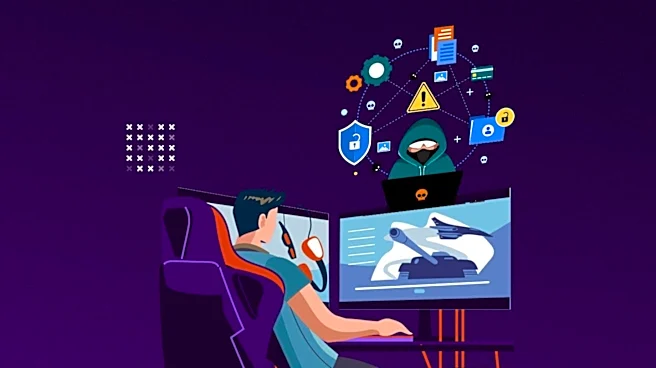
such as the victim's name, date of birth, and social media information. The FBI highlights that these attacks are not only intrusive but also serve to re-victimize individuals through harassment, stalking, and distribution of stolen content on social media. Hackers employ various tactics, including exploiting password leaks and impersonating social media services, to gain access to accounts.
Why It's Important?
This development underscores the growing threat of cybercrime and the need for robust cybersecurity measures to protect personal data. The theft and distribution of intimate images can have severe psychological and social consequences for victims, including harassment and reputational damage. The FBI's warning highlights the importance of using strong, unique passwords and being cautious of phishing attempts. This issue also raises broader concerns about privacy and the security of personal information in the digital age, prompting discussions on how to better protect individuals from such violations.
What's Next?
The FBI urges individuals affected by these hacks to report incidents through a dedicated website, providing details about the theft and any subsequent harassment. This initiative aims to gather data to combat the issue more effectively. Additionally, there may be increased pressure on social media platforms and tech companies to enhance security measures and protect user data. Public awareness campaigns and educational efforts could also be implemented to inform users about best practices for safeguarding their online accounts.