





What's Happening?
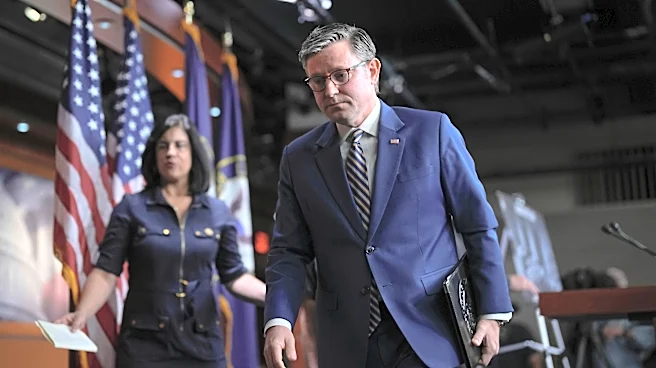
Congresswoman Marilyn Strickland has voiced her opposition to the 2027 National Defense Authorization Act (NDAA), citing concerns over provisions she claims suppress voter rights. Strickland, representing Washington's 10th district, criticized the bill
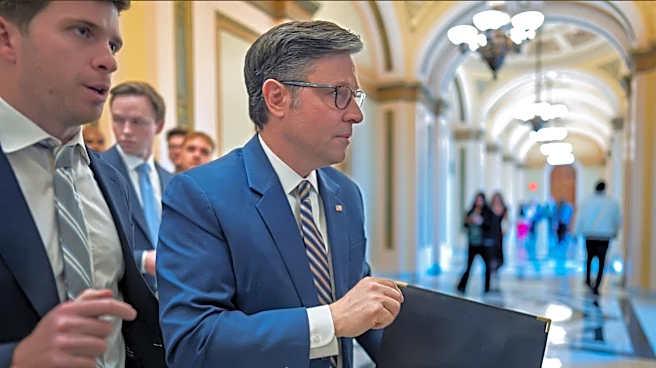
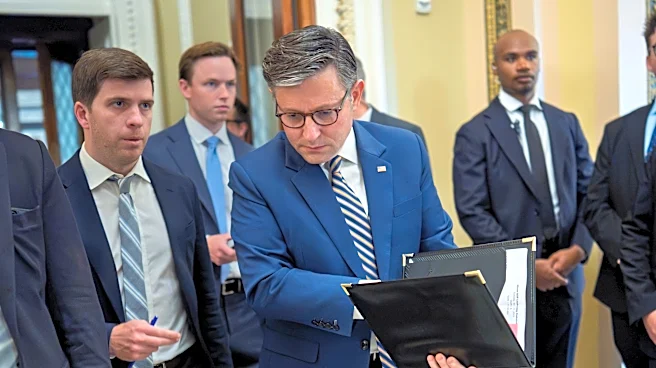
for including measures that could hinder U.S. citizens' ability to vote. She accused Speaker Johnson and right-wing Republicans of manipulating the NDAA process to include these provisions. Despite the bill's bipartisan defense measures, Strickland's primary objection centers on the perceived threat to voting rights, highlighting her commitment to protecting democratic processes.
Why It's Important?
Strickland's stance brings attention to the intersection of defense policy and civil rights, emphasizing the potential for legislative processes to be used for partisan objectives. Her opposition reflects broader concerns about the erosion of voting rights in the U.S., a contentious issue with significant implications for democratic participation. The controversy surrounding the NDAA could influence future legislative strategies and negotiations, as lawmakers may become more vigilant in scrutinizing bills for unrelated provisions. Strickland's actions may also galvanize voter rights advocates and impact public discourse on the integrity of legislative processes.