




What's Happening?
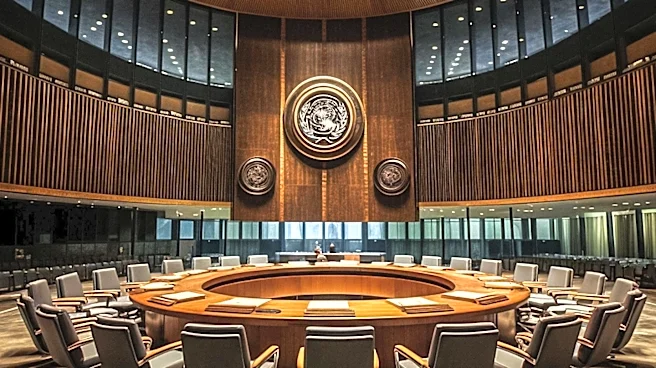
The UN Third Committee has adopted a resolution titled “providing a safe and enabling environment for human rights defenders and ensuring their protection.” The resolution, A/C.3/81/L.36/Rev.1, was passed with 167 countries in favor, 4 against (Argentina,
Belarus, Israel, and the United States), and 8 abstentions. A key focus of this year's resolution is the impact of new and emerging technologies on human rights defenders. While digital technologies offer tools for documenting violations and mobilizing support, they also expose defenders to risks such as digital surveillance, harassment, defamation, transnational repression, and technology-facilitated gender-based violence. These technologies are also frequently misused for censorship and to restrict civic space. Switzerland, speaking on behalf of several countries, highlighted the dual nature of these technologies, emphasizing the need to address challenges to ensure defenders can work safely both online and offline.
Why It's Important?
The adoption of this UN resolution is significant because it formally acknowledges the evolving landscape of threats faced by human rights defenders, particularly those stemming from new technologies. The explicit recognition of digital surveillance, online harassment, and technology-facilitated gender-based violence as risks underscores the urgency for international cooperation in safeguarding these individuals. For the United States, voting against this resolution, alongside countries like Belarus and Russia, could be seen as a departure from its stated commitment to human rights and freedom of expression, potentially impacting its diplomatic standing on these issues. The resolution's focus on both the opportunities and challenges of technology sets a precedent for future international policy discussions on digital rights and the protection of activists in an increasingly digital world, influencing how governments and tech companies approach these critical areas.
What's Next?
Following the adoption of this resolution, member states are expected to consider its principles in their national policies and international engagements concerning human rights defenders. The emphasis on new technologies suggests that future discussions within the UN and other international bodies will likely focus on developing concrete strategies and guidelines to mitigate digital risks for activists. This could include calls for greater accountability from technology companies regarding their platforms' misuse, as well as increased support for digital security training and tools for human rights defenders. The differing votes, particularly from the United States, may lead to further diplomatic discussions and explanations regarding their positions. Civil society organizations, which largely supported the resolution, will likely use this as a tool to advocate for stronger protections and more robust responses to threats against human rights defenders globally.
Beyond the Headlines
The resolution's focus on technology reveals a deeper tension between technological advancement and human rights. While digital tools can empower activists, they also provide authoritarian regimes and other malicious actors with sophisticated means of repression. This creates a complex ethical and legal challenge for governments and technology companies alike. The resolution implicitly calls for a re-evaluation of how digital spaces are governed and regulated to prevent their weaponization against human rights advocates. Furthermore, the differing votes among nations highlight geopolitical divides on issues of sovereignty, human rights, and the role of international oversight in domestic affairs. This ongoing debate will shape the future of digital rights, privacy, and freedom of expression, potentially leading to new international norms and standards for responsible technology use and governance in the context of human rights protection.