


What's Happening?
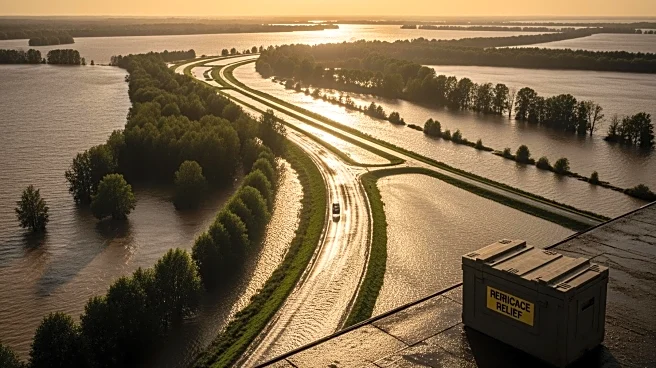
Six months after catastrophic flooding in the Texas Hill Country, the region continues to grapple with the aftermath. The flood, which occurred on July 4, resulted in over 130 fatalities and significant property damage. The Guadalupe River rose to 37
feet, causing an estimated $22 billion in economic losses. While daily life has resumed with businesses reopening and traffic flowing, the scars of the disaster remain visible. Empty lots and washed-away foundations mark the landscape, and the community is still searching for missing persons. Questions have arisen regarding the adequacy of flood warnings and the accuracy of FEMA's flood maps. The agency faced criticism for its response, leading to the resignation of former acting administrator David Richardson. Lawsuits are underway, particularly against Camp Mystic, where 25 campers and two counselors died. The camp plans to reopen, sparking controversy among affected families.
Why It's Important?
The ongoing recovery efforts in the Texas Hill Country highlight the long-term impacts of natural disasters on communities. The economic losses and human toll underscore the need for effective disaster preparedness and response strategies. The criticism of FEMA and local emergency alert systems points to potential gaps in current protocols, which could have implications for future disaster management policies. The lawsuits against Camp Mystic and the focus on accountability reflect broader societal demands for justice and safety improvements. The state legislature's approval of nearly $300 million for flood warning upgrades indicates a commitment to preventing similar tragedies, but also raises questions about resource allocation and the effectiveness of such measures.
What's Next?
As the Texas Hill Country continues to rebuild, the focus will likely remain on improving infrastructure and emergency response systems. The lawsuits related to Camp Mystic may set precedents for liability and safety standards in similar cases. The community's ongoing search for missing persons and the push for accountability may influence future policy decisions and community resilience strategies. The implementation of new flood warning systems will be closely monitored to assess their effectiveness in preventing future disasters. Additionally, the reopening of Camp Mystic will be a significant event, potentially affecting local sentiment and tourism.
Beyond the Headlines
The Texas Hill Country flood raises important questions about the intersection of natural disasters and community resilience. The event highlights the vulnerability of rural areas to extreme weather and the challenges of balancing economic recovery with safety and accountability. The cultural and emotional impact on the community, particularly in a close-knit area, underscores the need for comprehensive support systems for disaster survivors. The flood also serves as a reminder of the broader implications of climate change and the increasing frequency of severe weather events, prompting discussions on sustainable development and environmental stewardship.