




What's Happening?
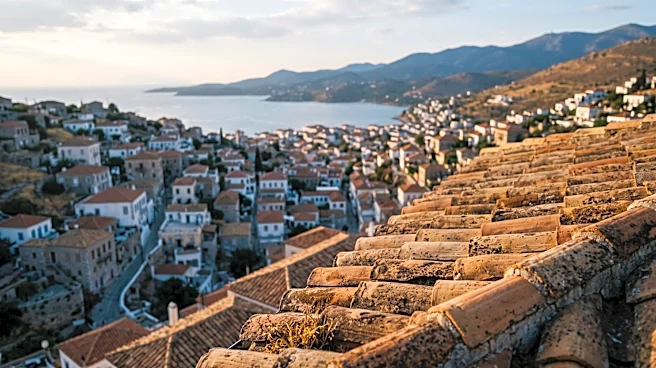
Helena Roseta, an architect and former politician, recounted an incident during the PREC (Processo Revolucionário Em Curso) era in Portugal where she assisted Marcelo Rebelo de Sousa. According to Roseta, she had to rescue Rebelo de Sousa when he was
fleeing from a mob across rooftops in Beja. This event occurred during a turbulent period in Portuguese history following the Carnation Revolution, characterized by political instability and social unrest. Roseta's recollection provides a glimpse into the challenging political climate of the time and highlights a personal connection between her and Rebelo de Sousa, who later became President of Portugal. The narrative is part of a broader interview discussing the early days of democracy and local power in Portugal.
Why It's Important?
Helena Roseta's anecdote about aiding Marcelo Rebelo de Sousa during the PREC era offers valuable historical context to a pivotal period in Portugal's democratic transition. It illustrates the intense political polarization and personal risks faced by public figures during that time. For understanding contemporary Portuguese politics, this story provides insight into the formative experiences of its leaders. While not directly impacting the U.S., historical accounts of democratic transitions in allied nations are important for understanding the resilience of democratic institutions globally. Such narratives can inform analyses of political stability and the challenges inherent in establishing democratic governance, offering lessons that resonate across different national contexts. It also humanizes political figures, revealing their personal struggles amidst broader historical shifts.
What's Next?
This historical anecdote, shared by Helena Roseta, serves primarily as a retrospective account and does not directly indicate immediate future events. However, such personal recollections can contribute to ongoing historical discourse and public understanding of Portugal's post-revolution period. It may prompt further historical research or discussions about the PREC era and the roles of various political figures. For Marcelo Rebelo de Sousa, now President, this story adds another layer to his public persona, highlighting his past experiences during a tumultuous time. The narrative is likely to be integrated into broader historical analyses and political biographies, enriching the understanding of Portugal's democratic journey. It does not suggest any direct policy changes or political actions in the present.
Beyond the Headlines
Helena Roseta's vivid recollection of aiding Marcelo Rebelo de Sousa during his escape across Beja rooftops in the PREC era delves into the deeper human drama behind political upheaval. It underscores the personal dangers and ideological fervor that characterized Portugal's transition to democracy. This story is more than just a historical footnote; it speaks to the resilience, courage, and sometimes sheer luck required for individuals to navigate periods of intense political instability. It also highlights the often-unseen networks of support and solidarity that emerge during such times. Ethically, it raises questions about personal loyalty and political conviction in the face of adversity. Culturally, it contributes to the collective memory of a nation grappling with its past, offering a narrative that can inform future generations about the fragility and value of democratic freedoms. Such personal accounts are crucial for a nuanced understanding of history, moving beyond grand narratives to reveal the lived experiences of those who shaped it.