







What's Happening?
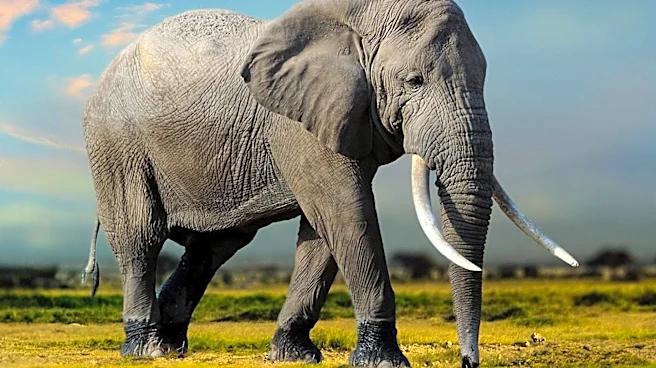
The Johannesburg Zoo in South Africa is currently embroiled in a legal battle concerning the fate of its last three elephants, Lammie, Ramadiba, and Mopane. Animal welfare campaigners have petitioned the courts to release the elephants into a rewilding
sanctuary, arguing that the conditions at the zoo are detrimental to their well-being. The campaigners, supported by international elephant experts, claim that the elephants are distressed and depressed due to their captivity. The zoo, however, maintains that the elephants are well cared for and have recently been given a clean bill of health. The zoo argues that relocating the elephants would eliminate important research and educational opportunities for the public, particularly for school children from poorer backgrounds. The court's decision is expected in the coming weeks.
Why It's Important?
This case highlights the ongoing debate between animal welfare advocates and traditional zoo practices. The outcome could set a precedent for how captive elephants are treated in urban zoo environments across Africa. If the court rules in favor of the campaigners, it could lead to increased scrutiny and potential changes in zoo policies regarding the captivity of large, intelligent animals like elephants. This could impact educational programs and the financial viability of zoos that rely on such attractions. Conversely, a decision to keep the elephants at the zoo may reinforce the status quo, emphasizing the educational and research benefits zoos claim to provide.
What's Next?
The court's impending decision will likely influence future legal actions concerning animal welfare in zoos. Should the court order the elephants' relocation, it may prompt other zoos to reevaluate their practices and potentially lead to more animals being moved to sanctuaries. This could also spark broader discussions on the ethical implications of keeping large animals in captivity. Stakeholders, including zoo officials, animal rights groups, and the public, will be closely monitoring the outcome, which could lead to policy changes at both national and international levels.
Beyond the Headlines
The case raises ethical questions about the role of zoos in modern society and the balance between conservation, education, and animal welfare. It challenges the traditional view of zoos as necessary for public education and conservation, suggesting that alternative methods, such as virtual reality or documentaries, could replace live animal exhibits. This shift could lead to a reevaluation of how society values and interacts with wildlife, potentially fostering a greater emphasis on preserving natural habitats and supporting sanctuaries.