





What's Happening?
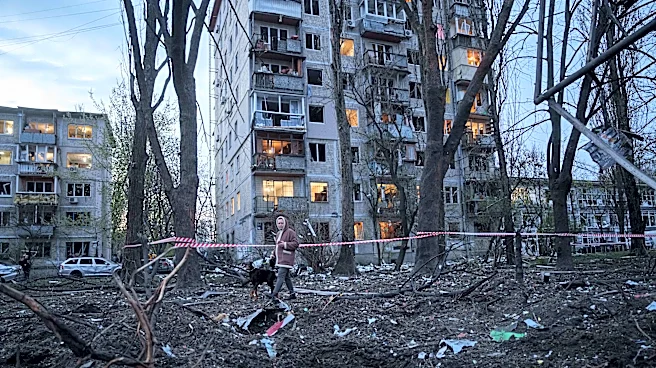
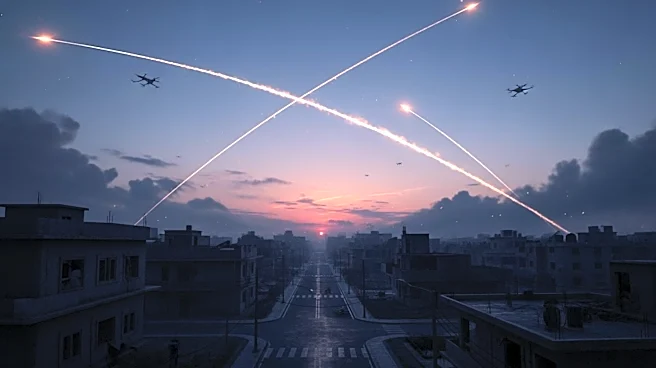
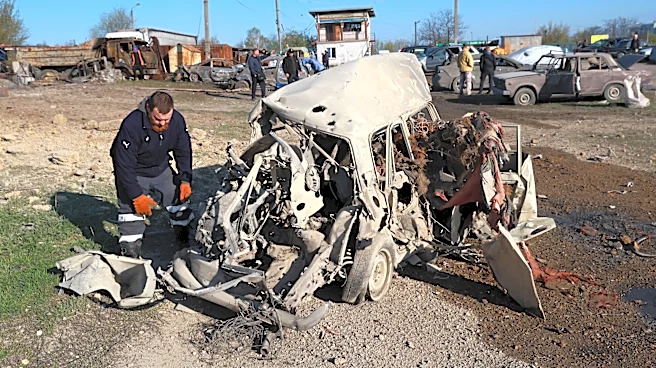
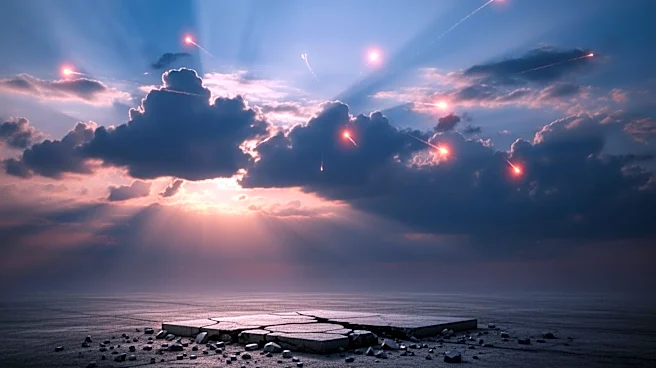
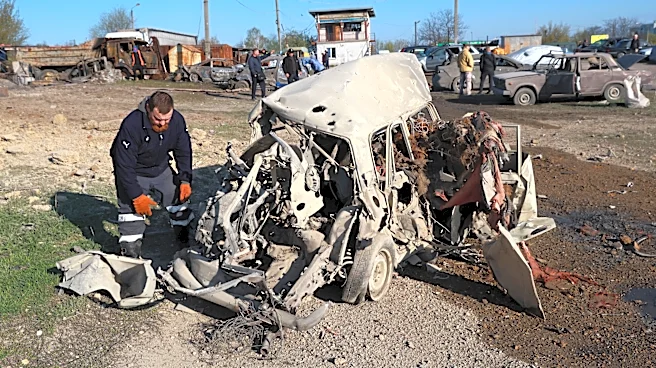
Russia has launched its deadliest aerial assault of the year on Ukraine, resulting in the deaths of 16 people, including a 12-year-old child. The attack involved nearly 700 drones and 19 ballistic missiles targeting cities across Ukraine. Kyiv, the capital,
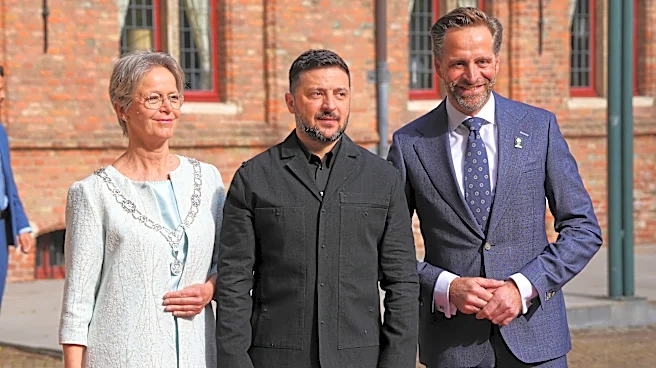
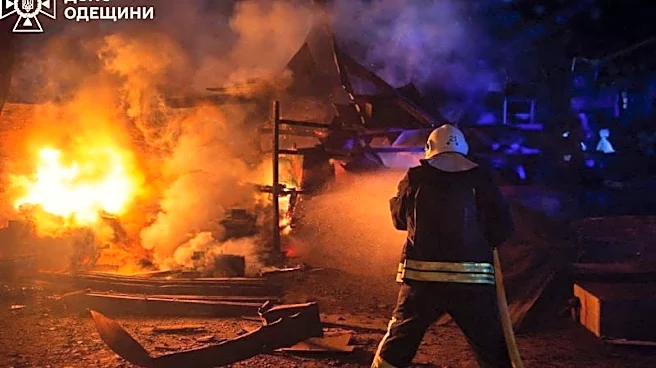
suffered significant damage, with four fatalities reported. Other affected areas include Odesa and Dnipro, where drones struck residential buildings. The assault also targeted energy infrastructure, leaving cities like Mykolaiv and Kherson without power. Ukrainian President Volodymyr Zelenskyy has called for increased pressure on Russia and emphasized that sanctions relief should not be granted to Moscow.
Why It's Important?
The attack underscores the ongoing conflict between Russia and Ukraine, highlighting the severe impact on civilian lives and infrastructure. It raises concerns about the effectiveness of international sanctions and the need for continued support from global allies to Ukraine. The assault also demonstrates Russia's capability to conduct large-scale attacks, which could influence geopolitical dynamics and international relations. The situation may affect global energy markets and further strain diplomatic relations between Russia and Western countries.
What's Next?
Ukraine is likely to continue seeking international support to bolster its defense capabilities and maintain pressure on Russia through diplomatic channels. The attack may prompt discussions among global leaders about increasing sanctions or providing additional military aid to Ukraine. The international community may also explore ways to enhance Ukraine's air defense systems to prevent future attacks. The situation could lead to heightened tensions in the region, with potential implications for European security and stability.