






What's Happening?
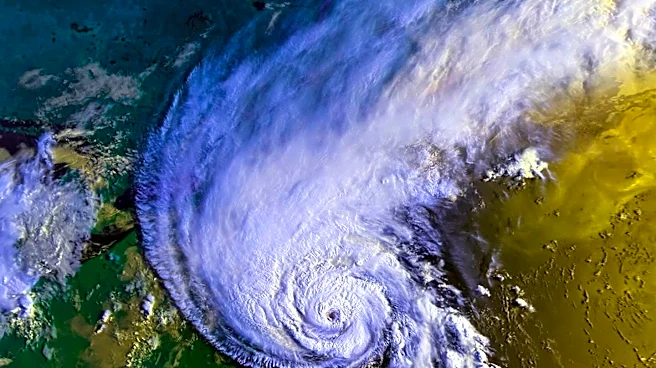
A super El Niño is developing in the tropical Pacific, with a 90% chance of becoming the strongest in 150 years, according to Berkeley Earth. This phenomenon is expected to peak at a sea surface temperature anomaly of 3.6°C above average, surpassing the previous
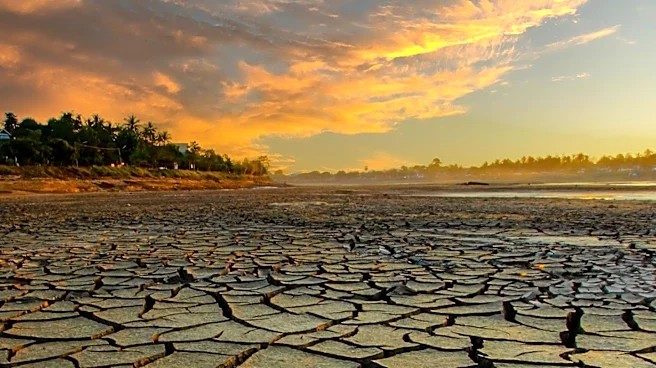
record of 2.75°C set in 2015-16. The rapid onset of this El Niño has already placed it in the 'super' category, with sea surface temperatures in the central-eastern Pacific reaching 2.1°C above average. This event is anticipated to cause significant global temperature increases and extreme weather conditions, including heavy rainfall in southern China, drier conditions in the northeastern U.S., and wetter conditions in the southern U.S.
Why It's Important?
The development of this super El Niño is significant due to its potential to exacerbate global warming effects and disrupt weather patterns worldwide. The anticipated temperature rise could lead to the hottest global temperatures on record, impacting agriculture, ecosystems, and economies. Regions like southern China may face severe flooding, while the southern U.S. could experience mudslides. Additionally, drought risks in India, Africa, and parts of Central and South America could lead to increased commodity prices, affecting global markets. The event also poses a threat to ecosystems, with potential widespread coral bleaching.
What's Next?
As the El Niño progresses, global temperatures are expected to rise, potentially exceeding the 1.5°C threshold set by the Paris Agreement by 2029. This could lead to more frequent and severe weather events, necessitating preparedness measures in vulnerable regions. Governments and organizations may need to implement strategies to mitigate the impacts of droughts, floods, and other climate-related challenges. The scientific community will continue to monitor the situation, providing updates and forecasts to help manage the potential consequences.
Beyond the Headlines
The intensifying El Niño highlights the broader issue of climate change and its accelerating impacts. As global temperatures rise, the frequency and intensity of such natural phenomena may increase, challenging existing infrastructure and disaster response systems. This situation underscores the need for comprehensive climate policies and international cooperation to address the root causes of climate change and enhance resilience against its effects.