
What's Happening?
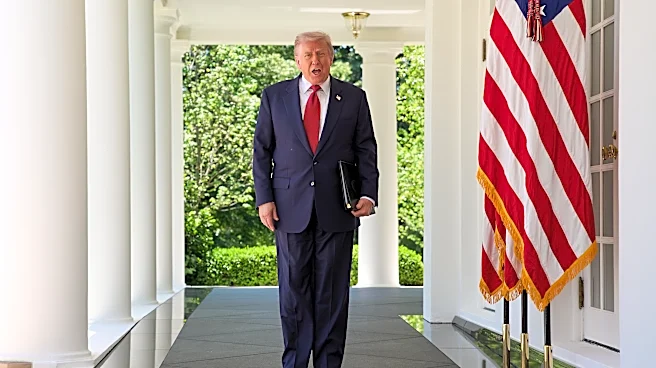
President Trump has announced a three-day ceasefire between Russia and Ukraine, set to take place from May 8 to May 11, 2026. This ceasefire coincides with Russia's Victory Day celebrations, a significant
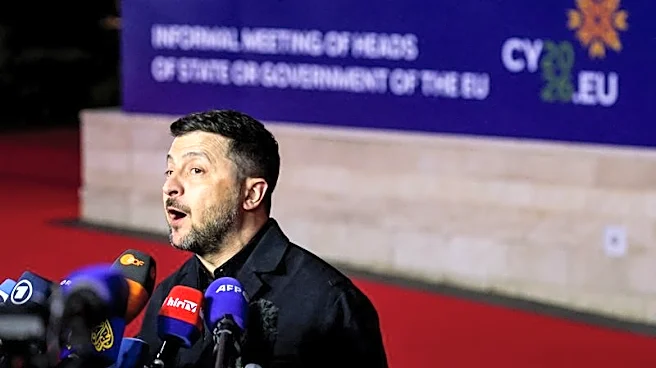
holiday marking the country's victory over Nazi Germany in World War II. The agreement includes a prisoner swap, with each country exchanging 1,000 prisoners. President Trump expressed optimism that this temporary halt in hostilities could signal the beginning of the end of the ongoing conflict, which has persisted for over four years. Both Russian President Vladimir Putin and Ukrainian President Volodymyr Zelensky have agreed to the terms proposed by President Trump.
Why It's Important?
The ceasefire represents a potential turning point in the prolonged conflict between Russia and Ukraine, which has had significant geopolitical implications. A successful ceasefire could pave the way for more comprehensive peace negotiations, potentially stabilizing the region and reducing tensions that have affected global political dynamics. The prisoner swap is a humanitarian gesture that could improve relations between the two nations and foster goodwill. For the United States, facilitating this agreement enhances its diplomatic standing and showcases its influence in international conflict resolution. The ceasefire could also impact global markets, particularly in sectors sensitive to geopolitical stability, such as energy and commodities.
What's Next?
Following the ceasefire, the international community will likely monitor the situation closely to ensure compliance and assess the potential for extending the truce or initiating broader peace talks. Major stakeholders, including the United Nations and European Union, may engage in diplomatic efforts to support a lasting resolution. The success of the ceasefire could influence future U.S. foreign policy strategies and its role in mediating international conflicts. Additionally, the outcome may affect domestic political narratives, with implications for President Trump's administration and its foreign policy legacy.