






What's Happening?
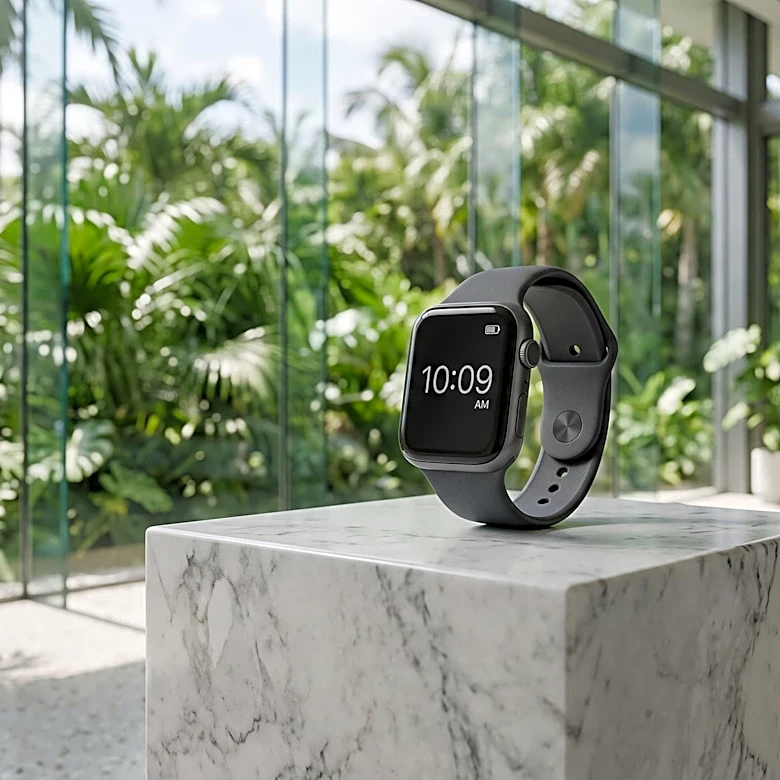
Wearable health technology is rapidly transforming personal healthcare by integrating artificial intelligence with smart health devices such as smartwatches, screenless bands, and smart rings. These devices are designed to continually monitor neurological,
metabolic, and cardiovascular health in real-time, moving beyond basic step counting. Key advancements include multi-wavelength optical PPG sensors that detect blood volume changes, on-demand and multi-lead ECGs for heart activity monitoring, and interstitial fluid sampling for continuous glucose monitoring. Additionally, vascular trend tracking and cuffless blood pressure monitoring are being achieved through optical pulse-wave analysis. Thermal, electrodermal, and bioelectrical impedance sensors are also being utilized to visualize body composition, cellular hydration, and nerve health, as well as monitor temperature shifts and nervous system tension. This technology aims to convert biological inputs into real-time diagnostic conclusions, enabling proactive health management.
Why It's Important?
This evolution in wearable health technology is crucial for shifting healthcare from a reactive model, dependent on infrequent medical visits, to a proactive, daily prevention approach. By continuously monitoring vital signs, sleep patterns, and biometric trends, these devices can identify early disease signals, arrhythmias, and metabolic abnormalities before symptoms worsen. This continuous surveillance helps establish an individual's unique physiological baseline, allowing AI-driven software to distinguish between benign daily variations and genuine clinical warning signs. For instance, smartwatches can identify early indications of fatigue and anxiety, and AI-driven wearables can predict high blood pressure days in advance. This capability empowers both patients and physicians to take early action, potentially preventing severe health crises and reducing the need for expensive emergency interventions. The integration of AI also helps manage the vast amounts of data generated, providing actionable insights rather than overwhelming users with raw information.
What's Next?
The future of wearable health technology is expected to address current challenges such as data privacy and sensor accuracy. Innovations by 2027 include non-invasive metabolic sensing through optical spectroscopy and painless intradermal patches, eliminating the need for needles to monitor lactate, glucose, and ketones. Smart textiles and ambient form factors are also emerging, with washable biometric apparel, neural-sensing headphones, and smart contact lenses replacing bulky wristwatches for more invisible and passive health monitoring. These advancements aim to broaden diagnostic capabilities and seamlessly integrate into professional workflows. The goal is to further transform personal healthcare from crisis management to a simple, daily preventive practice, making health monitoring more precise, user-friendly, and integrated into everyday life.
Beyond the Headlines
The widespread adoption of advanced wearable health technology raises significant ethical and legal considerations, particularly concerning data privacy and security. While these devices offer immense potential for personalized health management, the collection of sensitive biometric data by third-party applications and devices necessitates robust regulatory frameworks like HIPAA. There's also the psychological impact, such as 'orthosomnia,' where users become overly focused on their sleep and recovery scores, potentially leading to anxiety rather than improved well-being. The distinction between FDA-cleared medical-grade devices and general wellness trackers is critical for ensuring that medical decisions are based on clinically validated data. As technology advances, ensuring equitable access to these life-saving tools across different socioeconomic groups will also be a key societal challenge, preventing a widening gap in health outcomes.