





What's Happening?
The Southern African Power Pool (SAPP) is playing a crucial role in the region's energy landscape by enabling competitive cross-border electricity trading. This initiative allows countries like Mozambique to export hydropower while nations such as Zambia
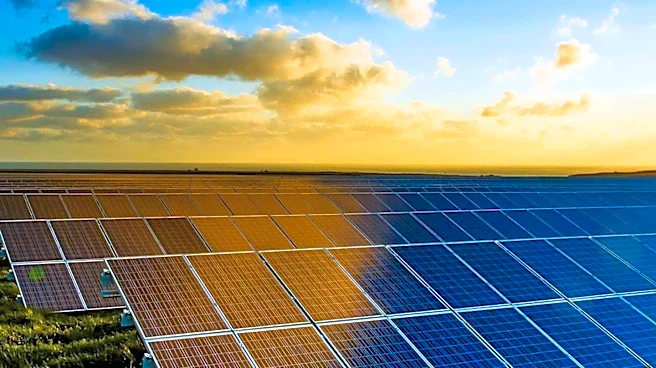
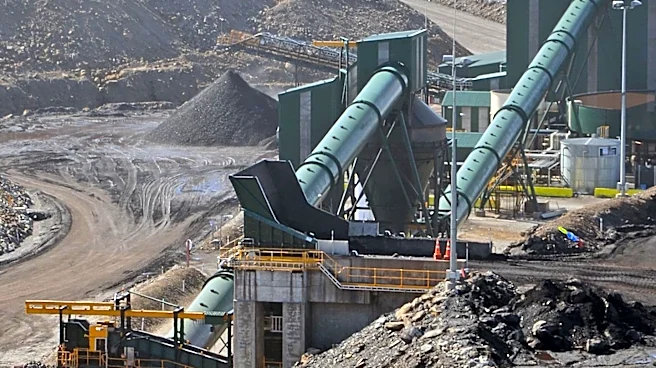
can import electricity during periods of drought. The SAPP's efforts are part of a broader strategy to balance the use of traditional fossil fuels with the expansion of renewable energy sources across Africa. Despite the push for renewables, fossil fuel industries remain significant, with companies like BP reporting substantial profits. However, the transition to green energy faces challenges, including environmental and social concerns, as seen in the controversy over lithium mining in South Africa.
Why It's Important?
The SAPP's facilitation of electricity trading is vital for addressing energy imbalances in Southern Africa, promoting economic cooperation, and enhancing energy security. By enabling countries to leverage their natural resources, such as Mozambique's hydropower, the region can improve its energy resilience and reduce reliance on fossil fuels. This transition is crucial for sustainable development and reducing carbon emissions. However, the ongoing reliance on fossil fuels and the environmental impact of mining activities highlight the complexities of achieving a green energy transition. The success of these initiatives could serve as a model for other regions facing similar energy challenges.
What's Next?
As the SAPP continues to expand its electricity trading capabilities, further integration of renewable energy sources is expected. The completion of projects like the Grand Ethiopian Renaissance Dam will enhance regional energy cooperation. However, addressing the environmental and social impacts of mining and fossil fuel extraction remains a priority. Stakeholders, including governments and energy companies, must collaborate to ensure a balanced and sustainable energy transition. The region's ability to attract investment and implement effective policies will be critical in achieving its energy goals.