


What's Happening?
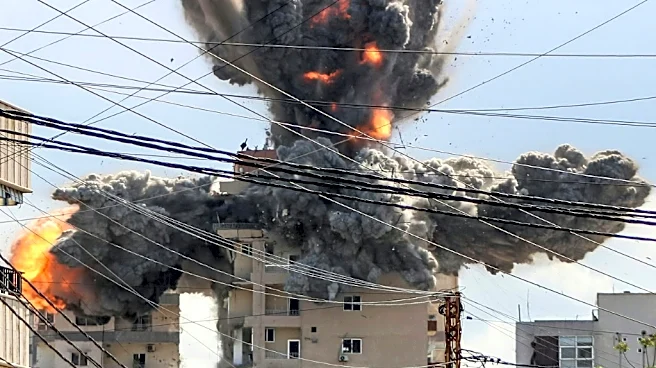
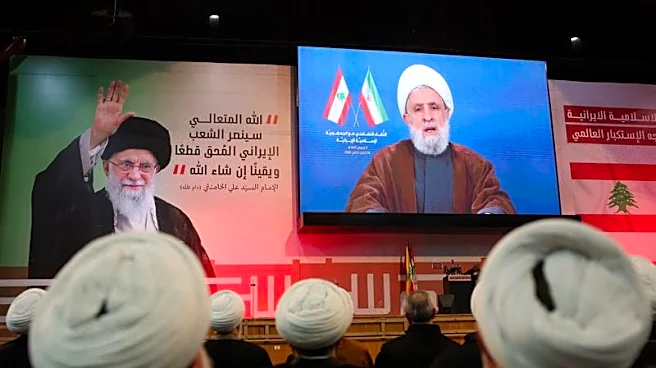
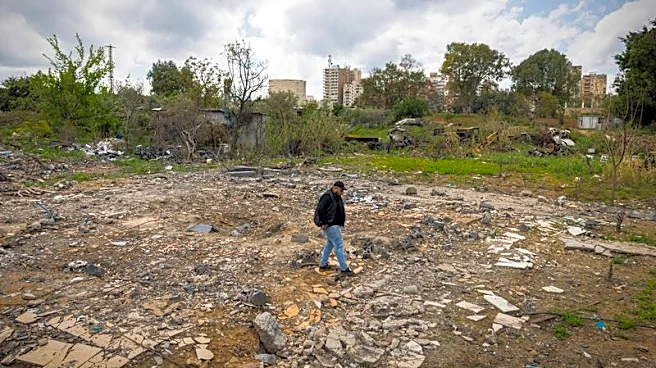
The Lebanese Health Ministry has reported that the death toll from recent IDF strikes has risen to 203, with more than a thousand people wounded. The strikes are part of ongoing military operations in the region, linked to the 2026 Israel-Iran War. The situation
has led to significant civilian casualties and has strained Lebanon's healthcare system, which is struggling to cope with the influx of injured individuals.
Why It's Important?
The rising death toll from IDF strikes in Lebanon highlights the severe impact of military conflicts on civilian populations. The situation underscores the humanitarian challenges faced by Lebanon, including the need for medical assistance and support for affected communities. The conflict also reflects broader regional tensions, with implications for international relations and security dynamics in the Middle East.
What's Next?
The international community may increase efforts to provide humanitarian aid and support to Lebanon, focusing on medical assistance and relief for displaced populations. Diplomatic initiatives aimed at de-escalating the conflict and preventing further civilian casualties are likely to be prioritized. The situation calls for coordinated efforts to address both immediate humanitarian needs and long-term peacebuilding strategies.
Beyond the Headlines
The conflict in Lebanon raises questions about the ethics of military operations and the protection of civilian populations in war zones. The situation highlights the need for international legal frameworks to address the humanitarian impact of conflicts and ensure accountability for actions that result in civilian harm. This underscores the importance of integrating human rights considerations into military and diplomatic strategies.