






What's Happening?
The Louisiana Historical Records Advisory Board (LHRAB) is actively serving as the central advisory body for historical records planning within the state. This board is responsible for coordinating the development, review, submission, and implementation
of grant-funded records projects, including those from the National Historical Publications and Records Commission (NHPRC). Established by Louisiana Revised Statutes 44:501 to 44:503, the LHRAB operates within the Department of State. Its membership comprises fifteen individuals, including the Secretary of State, the Director of the State Archives, and the State Librarian or their designee. Additionally, representatives from various state associations such as the Louisiana Clerks of Court Association, the Louisiana Municipal Association, and the Louisiana Historical Association are part of the board. Six members with expertise in archives, historical records, or government/university records administration are appointed by the Secretary of State.
Why It's Important?
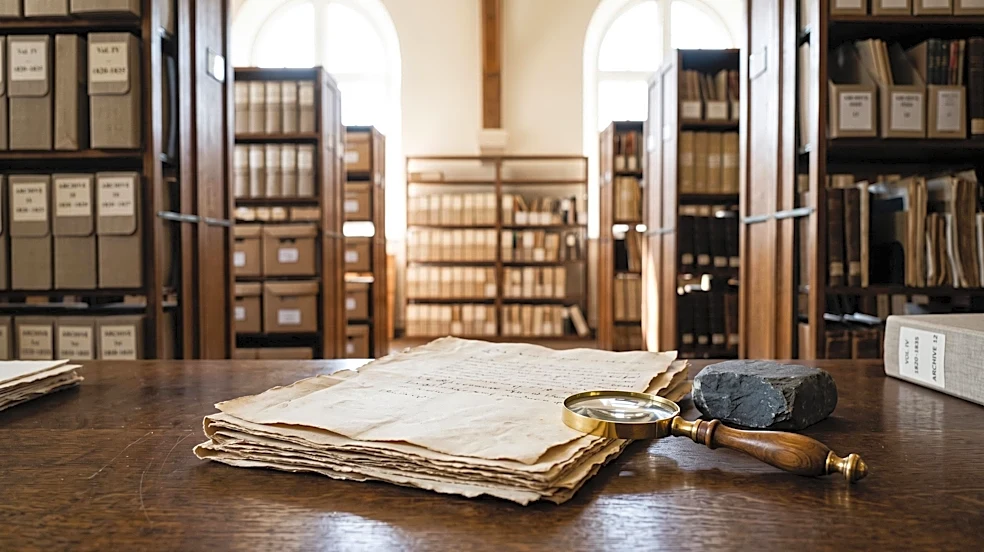
The LHRAB's role is crucial for the preservation and accessibility of Louisiana's historical records. By coordinating efforts and securing funding through grants like those from the NHPRC, the board ensures that valuable historical documents are conserved and made available for public and scholarly use. This work directly impacts the state's ability to maintain its cultural heritage and provide resources for historical research. The diverse composition of the board, including representatives from various governmental and historical organizations, fosters a comprehensive approach to records management. This collaborative structure helps to address the varied needs and challenges associated with preserving different types of historical records across Louisiana, from local government documents to academic archives.
What's Next?
The LHRAB's ongoing mission involves promoting the understanding of the value of historical records and fostering cooperative statewide networks for their conservation and accessibility. Future activities will likely include soliciting and developing new proposals for NHPRC grant projects and continuously monitoring the progress of state projects financed by these grants. The board will continue to work with its diverse membership to identify critical areas for records preservation and to implement strategies that enhance public access to these historical assets. This sustained effort is essential for the long-term safeguarding of Louisiana's historical memory and for supporting educational and research initiatives within the state.
Beyond the Headlines
The work of the LHRAB extends beyond mere archival management; it underpins the state's historical narrative and collective memory. By ensuring the preservation and accessibility of historical records, the board contributes to civic education and informed public discourse. These records serve as primary sources for understanding Louisiana's past, influencing its present, and shaping its future. The ethical dimension of this work involves ensuring that historical accounts are accurate and comprehensive, reflecting the diverse experiences within the state. Legally, proper record-keeping is vital for governmental transparency and accountability. Culturally, these archives are invaluable for identity formation and for connecting present generations with their heritage, fostering a deeper appreciation for the state's unique history.