
What's Happening?
The Pan American Health Organization (PAHO) is anticipated to revoke the United States' measles elimination status, a designation held for 26 years, following a significant resurgence of measles cases.
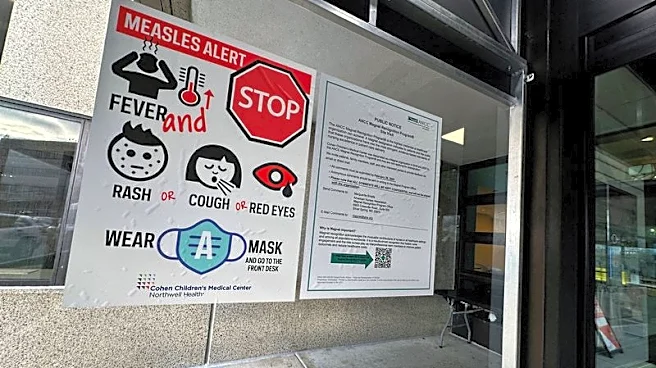
Over 5,200 cases have been reported in 2026, marking the highest level since 1991. This outbreak is characterized by primarily local transmission, a shift from previous years where imported infections were the main driver. An independent technical panel of infectious disease experts convened by PAHO from November 10-13 is reviewing the situation. The decision, expected this week, comes as measles, mumps, and rubella (MMR) vaccination rates have plummeted, with 96% of infections occurring in unvaccinated individuals. In the 2025–26 school year, 18 U.S. states reported vaccination rates below 90%, a substantial increase from six states in 2010. Only 10 states currently meet the 95% herd immunity threshold. Multiple states, including Pennsylvania, South Carolina, Texas, and Utah, have been affected, with some governors declaring states of emergency. The CDC has reported six measles deaths in 2026, with additional deaths reported by New York and Wisconsin officials, bringing the total to eight.
Why It's Important?
The potential loss of the U.S. measles elimination status signifies a critical breakdown in vaccination coverage and measles control within the nation. While there are no direct legal or practical consequences to this status change, public health experts view it as a serious international signal of failing vaccination systems. Dr. Lawrence Gostin emphasized that this outcome serves as an urgent warning that measles transmission is uncontrolled and reflects broader concerns about the U.S.'s credibility in global health efforts. The resurgence of a vaccine-preventable disease highlights the vulnerability of communities when immunization rates decline, creating 'pockets of vulnerability' where outbreaks can sustain themselves. This situation underscores the importance of robust routine vaccination systems and reaching under-immunized populations to prevent widespread outbreaks. The implications extend to global health security, as ongoing transmission in the U.S. can pose risks to other nations through unvaccinated travelers and undermine international efforts to control measles.
What's Next?
PAHO's final decision on the U.S. measles elimination status is expected this week, which will officially confirm the country's standing. Following this, public health authorities at federal and state levels will likely face increased pressure to address the declining vaccination rates and strengthen immunization programs. Efforts may focus on identifying and targeting under-immunized communities, improving public health messaging regarding vaccine safety and efficacy, and implementing strategies to increase MMR vaccine uptake. The international community will closely monitor the U.S. response, as the situation could influence global perceptions of vaccine accountability and preparedness. NGOs, civil society organizations, and development practitioners may intensify their focus on supporting routine vaccination systems and outbreak response capacities, drawing lessons from the U.S. experience. There may also be renewed discussions about vaccine mandates or other public health interventions to restore herd immunity levels across the country.
Beyond the Headlines
The expected revocation of the U.S. measles elimination status delves deeper than just a public health metric; it reflects underlying societal shifts and challenges to public trust in established medical science. The decline in vaccination rates is often linked to vaccine hesitancy, fueled by misinformation and distrust in public health institutions, which has been exacerbated in recent years. This development could trigger broader discussions about the role of public health education, the impact of social media on health beliefs, and the ethical considerations surrounding individual liberties versus collective public health. The long-term implications include the potential for increased healthcare burdens due to preventable diseases, a strain on public health resources, and a possible erosion of the U.S.'s leadership role in global health initiatives. Furthermore, the vulnerability of infants, who are too young to be vaccinated, highlights a critical ethical dimension, as their protection relies entirely on community-wide immunity, which is now compromised.