




What's Happening?
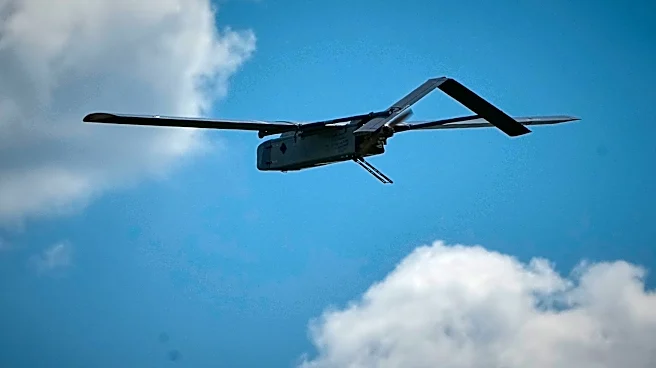
Moscow Mayor Sergei Sobyanin reported that approximately 800 unmanned aerial vehicles (UAVs) were detected flying towards Moscow Oblast between the evening of November 16 and the morning of November 17. According to Sobyanin, the majority of these drones
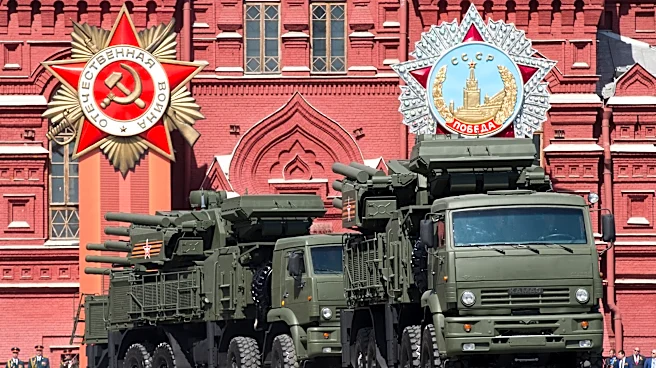
were destroyed at a distance by Russian Aerospace Defence Forces, with 321 drones specifically brought down as they approached Moscow. The Russian Federal Air Transport Agency temporarily restricted operations at Moscow's airports due to the incident, though these restrictions have since been lifted. While emergency services are reportedly working at crash sites, Russian authorities have not yet disclosed the full consequences or extent of any damage from the alleged attack.
Why It's Important?
This reported large-scale drone attack on Moscow Oblast, if confirmed, signifies a significant escalation in the ongoing conflict, potentially indicating an increased capability or willingness to target the Russian capital directly. Such an event could have several implications, including heightened security measures in and around Moscow, potential disruptions to civilian life and infrastructure, and a possible shift in public perception within Russia regarding the conflict's proximity. For international observers, it raises questions about the effectiveness of Russian air defenses and the evolving nature of drone warfare. The lack of reported consequences by Russian authorities could be interpreted in various ways, from successful interception minimizing damage to a deliberate downplaying of the incident's impact.
What's Next?
Following this reported drone attack, it is likely that Russian authorities will continue to assess the situation and potentially implement stricter air defense protocols around Moscow and other strategic locations. There may be further investigations into the origin and nature of the drones. The incident could also lead to increased rhetoric from Russian officials, potentially framing it as an act of aggression requiring a response. Internationally, the event will likely be closely monitored for any official statements or claims from other nations, particularly regarding attribution. The focus will be on whether this incident leads to a change in military tactics or a further intensification of the conflict.
Beyond the Headlines
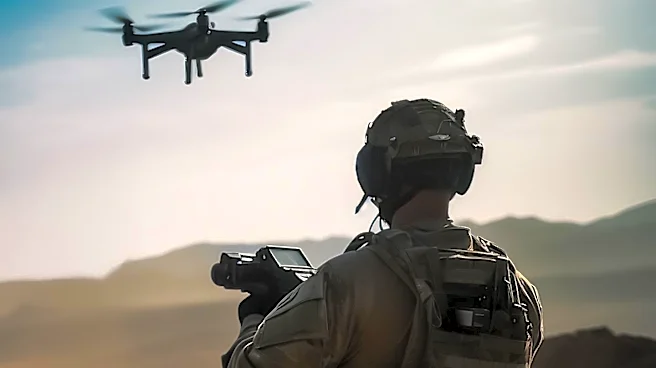
The alleged drone attack on Moscow Oblast highlights the growing role of unmanned aerial systems in modern warfare, demonstrating their potential to reach deep into enemy territory and disrupt normal operations. This event could prompt a re-evaluation of urban air defense strategies globally, as cities become increasingly vulnerable to such threats. Furthermore, the incident underscores the challenges of information control during conflict, with official reports often being the primary source of information, making independent verification difficult. The psychological impact on the civilian population in Moscow, even without significant damage, could be substantial, potentially affecting morale and public opinion regarding the conflict.