


What's Happening?
The U.S. government, under the Trump administration, has issued a 30-day sanctions waiver allowing the purchase of Iranian oil at sea. This decision is part of a broader strategy to alleviate energy supply pressures that have arisen since the onset of the U.S.-Israeli
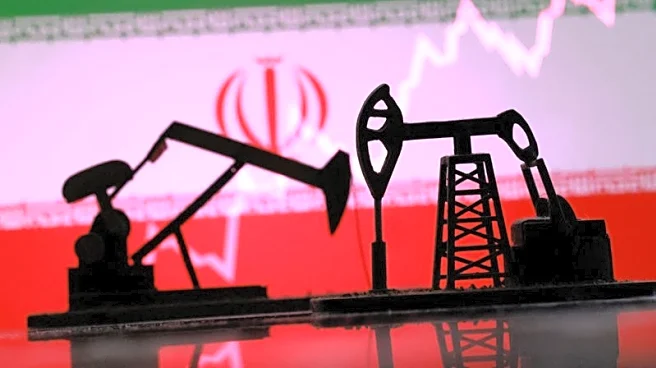
conflict with Iran. U.S. Treasury Secretary Scott Bessent announced the waiver, marking the third such temporary easing of sanctions in recent weeks. The waiver permits the sale of Iranian crude oil and petroleum products loaded on vessels from March 20 to April 19. This move is expected to release approximately 140 million barrels of oil into global markets, thereby expanding worldwide energy supply and mitigating temporary supply pressures caused by the conflict with Iran.
Why It's Important?
The temporary waiver on Iranian oil sanctions is significant as it aims to stabilize global energy markets amid the ongoing conflict between the U.S., Israel, and Iran. By increasing the availability of oil, the U.S. seeks to prevent a spike in energy prices that could have widespread economic repercussions. This strategy also serves as a tactical measure against Tehran, using its own oil resources to counteract the economic impact of the conflict. The decision reflects the complex interplay between geopolitical tensions and global economic stability, highlighting the U.S.'s role in managing international energy dynamics during periods of conflict.
What's Next?
The temporary waiver is set to expire on April 19, and its renewal will depend on the evolving geopolitical situation and energy market conditions. The U.S. may continue to adjust its sanctions policy based on the progress of the conflict and its impact on global oil supply. Additionally, the international community will be closely monitoring the situation in the Strait of Hormuz, a critical chokepoint for global oil shipments, as tensions in the region remain high. The U.S. and its allies may need to consider further diplomatic or military actions to ensure the security of energy supplies and maintain regional stability.