
What's Happening?
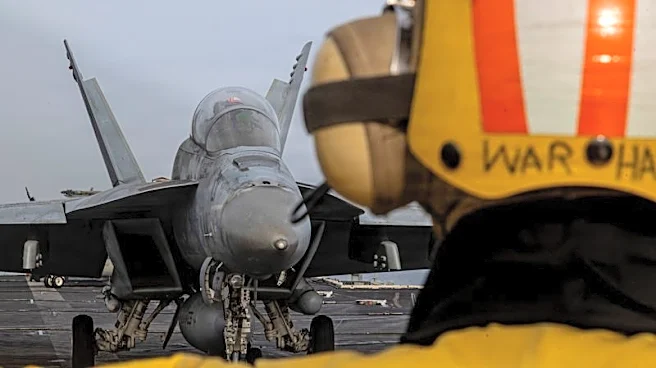
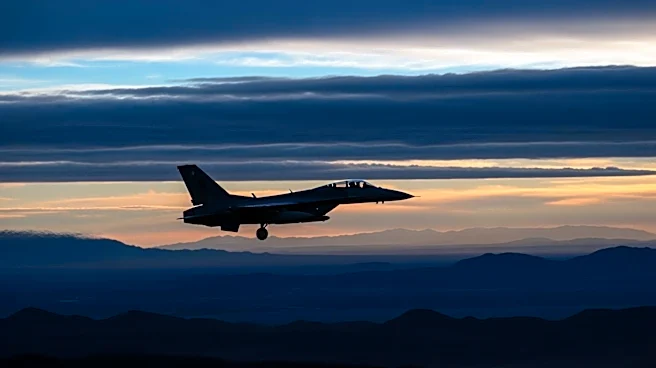
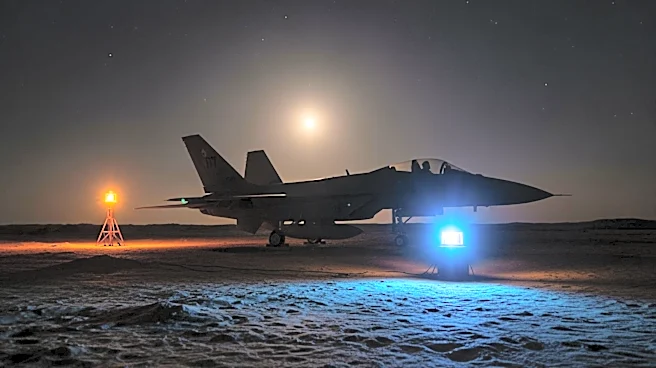
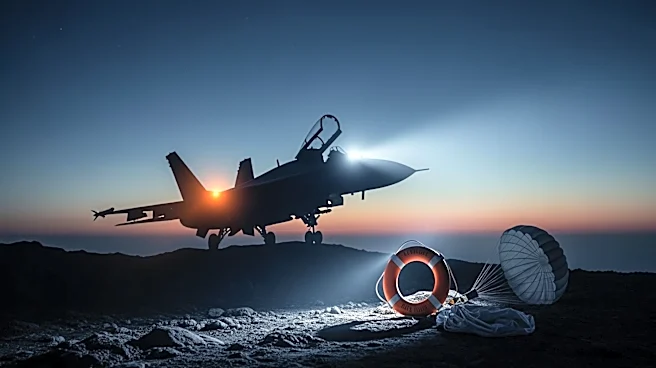
The United States military successfully rescued the second crew member of a downed F-15E fighter jet in Iran, concluding a two-day search operation. The incident occurred during a five-week-long conflict,
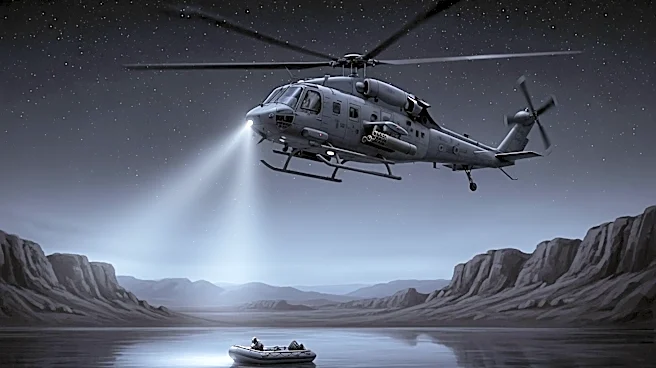
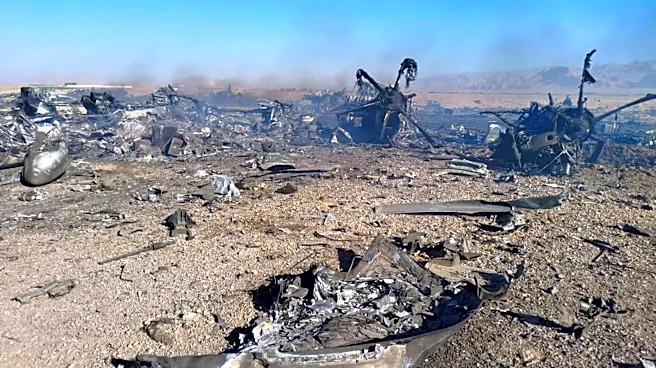
marking the first time in over two decades that a US plane was downed by enemy fire. President Trump announced the rescue on social media, describing it as one of the most daring search and rescue operations in US history. The crew member sustained injuries but is expected to recover. The US military deployed numerous aircraft, including Pave Hawk helicopters and C-130 Hercules transports, to locate and retrieve the airman. Iranian media had released images of the wreckage, and there were reports of a bounty for capturing the missing crew member. The operation was part of ongoing tensions involving US and Israeli military actions in the region.
Why It's Important?
This rescue operation underscores the heightened military tensions between the US and Iran, as well as the strategic challenges faced by US forces in the region. The downing of the F-15E fighter jet highlights the risks involved in military engagements and the potential for escalation. The successful rescue of the crew member demonstrates the US military's capability and commitment to recovering its personnel, which is crucial for maintaining morale and operational integrity. The incident also reflects broader geopolitical dynamics, with implications for US-Iran relations and regional stability. The use of advanced military assets in the rescue operation signals the US's readiness to protect its interests and personnel in hostile environments.
What's Next?
The situation remains tense, with potential for further military engagements as the US continues to assert its presence in the region. President Trump has indicated a deadline for Iran to reopen the Strait of Hormuz, threatening unspecified escalation if demands are not met. This could lead to increased military activity and diplomatic efforts to de-escalate the conflict. The international community may also become more involved in seeking a resolution to the ongoing hostilities. Monitoring of military movements and diplomatic negotiations will be critical in the coming days to assess the potential for further conflict or a peaceful resolution.
Beyond the Headlines
The incident raises questions about the legality and ethics of military operations in foreign territories, particularly in light of international laws governing warfare and the use of force. The use of cluster munitions by Iran, as reported, also brings attention to the humanitarian impact of such weapons, which are banned by many countries. The broader conflict has resulted in significant casualties and displacement, highlighting the human cost of military engagements. The situation may prompt discussions on the need for renewed diplomatic efforts and international cooperation to address underlying tensions and prevent further escalation.