
What's Happening?
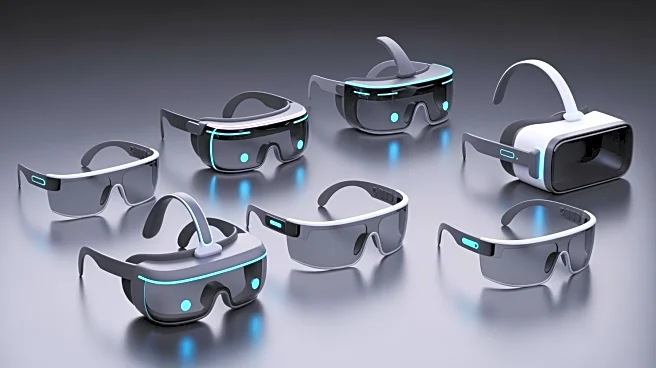
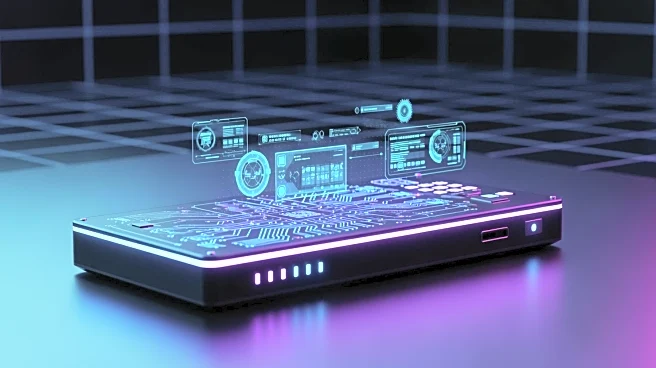
The concept of 'cyberdecks,' inspired by William Gibson's 1984 novel 'Neuromancer,' is becoming a reality as personal computing integrates with virtual reality (VR). These devices, which allow users to
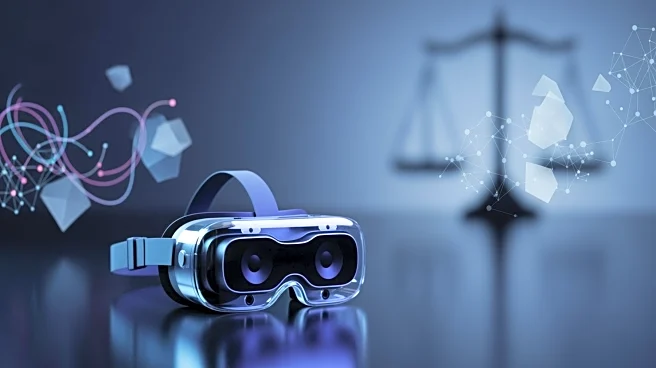
access and manage large amounts of personal data in VR, are gaining traction among tech enthusiasts. The development of cyberdecks involves using portable storage devices like thumb drives and MicroSD cards to store terabytes of data, which can then be accessed in VR environments. This trend is driven by advancements in VR technology, such as the introduction of standalone systems like Apple's Vision Pro, which enable users to interact with their data in immersive virtual spaces. The cyberdeck concept is evolving with the integration of various operating systems, including macOS, iOS, Windows, and Linux, allowing for a more personalized and flexible computing experience.
Why It's Important?
The emergence of cyberdecks represents a significant shift in how personal computing is experienced, particularly in the context of VR. This development has the potential to transform the way individuals interact with digital content, offering a more immersive and personalized experience. For the tech industry, this trend could drive innovation in VR hardware and software, as companies strive to create more sophisticated and user-friendly cyberdeck solutions. Additionally, the ability to carry and access large amounts of data in VR could have implications for data privacy and security, as users seek to protect their personal information in virtual environments. The rise of cyberdecks also highlights the growing importance of data portability and the need for seamless integration across different platforms and devices.
What's Next?
As the concept of cyberdecks continues to gain popularity, further advancements in VR technology and data management are expected. Companies may focus on developing more compact and efficient cyberdeck solutions that offer enhanced functionality and ease of use. The integration of advanced features such as biometric access control and enhanced data security measures could become standard in future cyberdeck models. Additionally, as VR becomes more mainstream, there may be increased demand for content and applications that leverage the capabilities of cyberdecks, leading to new opportunities for developers and content creators. The ongoing evolution of cyberdecks will likely influence the broader landscape of personal computing and digital interaction.