
What's Happening?
Venice, Italy, a city celebrated for its distinctive architecture, canals, and rich cultural heritage, is contemplating a substantial increase in its tourist entry fees. Currently set at €5, the city is considering
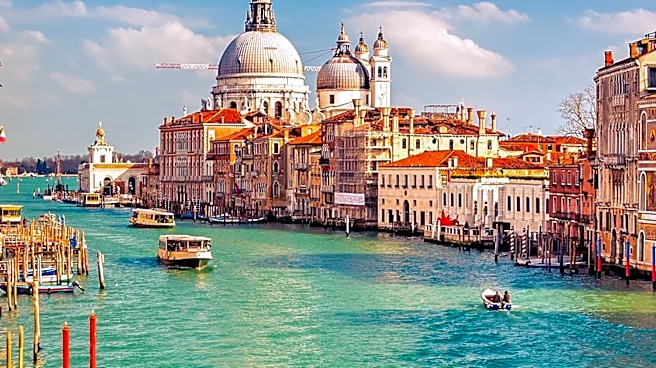
raising this fee to potentially €30 or even €50. This proposed hike is a direct response to the ongoing challenge of overtourism, which has placed considerable strain on Venice's public spaces and infrastructure. The city is renowned for its Gothic palaces, Byzantine churches, and Renaissance art, with iconic landmarks such as the Grand Canal, St. Mark’s Basilica, and the Doge’s Palace attracting millions of visitors annually. The current €5 fee was introduced as a trial measure to manage visitor numbers, and the potential increase reflects a more aggressive strategy to mitigate the negative impacts of mass tourism on the historic city.
Why It's Important?
The potential increase in Venice's tourist entry fees carries significant implications for the global tourism industry and for other popular destinations grappling with similar issues of overtourism. For Venice, it represents a critical effort to preserve its unique cultural and architectural integrity, which is being eroded by the sheer volume of visitors. A higher fee could deter day-trippers and encourage longer, more sustainable visits, potentially shifting the demographic of tourists. This move could also serve as a precedent for other historically significant or environmentally sensitive locations worldwide that are struggling to balance tourism revenue with conservation. While the city stands to gain from reduced congestion and increased revenue for maintenance, the tourism sector, including tour operators and local businesses reliant on high visitor numbers, might face a decline in patronage, impacting their economic viability. The decision highlights the growing tension between economic benefits derived from tourism and the imperative to protect cultural heritage and local quality of life.
What's Next?
Venice is expected to continue evaluating the effectiveness of its current €5 entry fee trial and will likely engage in further discussions regarding the proposed increase to €30 or €50. The city authorities will need to weigh the potential benefits of reduced tourist impact and increased revenue against possible backlash from the tourism industry and a decline in overall visitor numbers. Stakeholders, including local residents, businesses, and international tourism organizations, will likely voice their opinions, influencing the final decision. The implementation of a higher fee would necessitate robust enforcement mechanisms and clear communication to visitors. Furthermore, the success or failure of Venice's strategy could inform policy decisions in other global tourist hotspots facing similar challenges, potentially leading to a broader trend of increased entry fees or stricter regulations for visitors in culturally sensitive areas.
Beyond the Headlines
The debate over Venice's tourist entry fees extends beyond mere economics, touching upon profound ethical and cultural dimensions. It raises questions about the right to access cultural heritage versus the responsibility to preserve it for future generations. The concept of 'overtourism' itself implies a re-evaluation of how we define and manage global cultural sites, moving from an open-access model to one that prioritizes sustainability and local well-being. This situation could trigger a long-term shift in tourism philosophy, encouraging a more mindful and respectful approach to travel. It also highlights the tension between globalized tourism and local identity, as residents often feel displaced or overwhelmed by the influx of visitors. The outcome in Venice could influence how cities worldwide balance economic development through tourism with the imperative to maintain their unique character and quality of life for their inhabitants, potentially leading to innovative solutions for sustainable urban tourism.