





What's Happening?
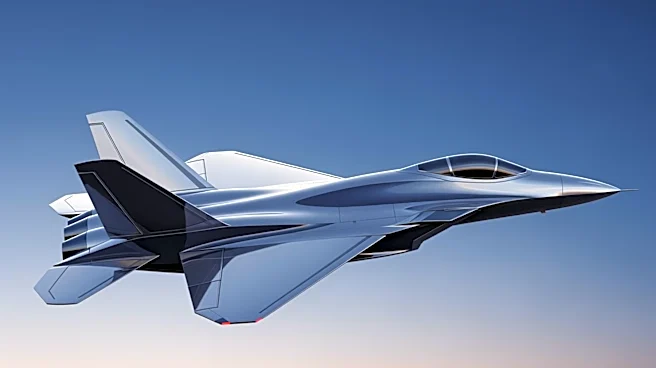
Israel has finalized a significant defense procurement plan, approving the purchase of two new combat squadrons of advanced fighter aircraft from U.S. manufacturers Lockheed Martin and Boeing. This decision, announced by Israel's Ministerial Committee
on Procurement, involves acquiring a fourth squadron of F-35 jets and a second squadron of F-15IA jets. The deal is part of a broader 350 billion shekel ($119 billion) initiative aimed at enhancing Israel's military capabilities over the next decade. The procurement is seen as a response to recent conflicts, including a war with Iran, which underscored the importance of maintaining air superiority. The Israeli Defense Ministry emphasized the strategic necessity of these acquisitions to address evolving regional threats and ensure long-term military dominance.
Why It's Important?
This procurement underscores the critical nature of the U.S.-Israel defense relationship, particularly in the context of regional security dynamics. The acquisition of advanced fighter jets is expected to bolster Israel's military edge, ensuring its ability to respond to threats from neighboring countries and non-state actors. The deal also highlights the strategic importance of air power in modern warfare, as demonstrated in recent conflicts involving Iran. For the U.S., this agreement strengthens its defense industry ties with Israel, potentially leading to further economic and strategic collaborations. The move is likely to influence regional military balances, prompting neighboring countries to reassess their defense strategies.
What's Next?
Following the approval, the next steps involve finalizing agreements with the U.S. government and military counterparts. This process will include detailed negotiations on delivery schedules, integration plans, and logistical support. The Israeli Defense Ministry is expected to focus on integrating these new capabilities into its existing military framework, potentially leading to further technological advancements in autonomous flight and defense systems. The procurement may also prompt reactions from regional actors, who could perceive this as a shift in the military balance, potentially leading to increased tensions or arms races in the Middle East.