




What's Happening?
Minneapolis Mayor Jacob Frey, alongside Native leaders, has announced a coordinated effort to combat open-air drug markets in the city's Native American cultural corridor, specifically the area spanning 11th Avenue S. to Cedar Avenue, and Franklin Avenue to 26th
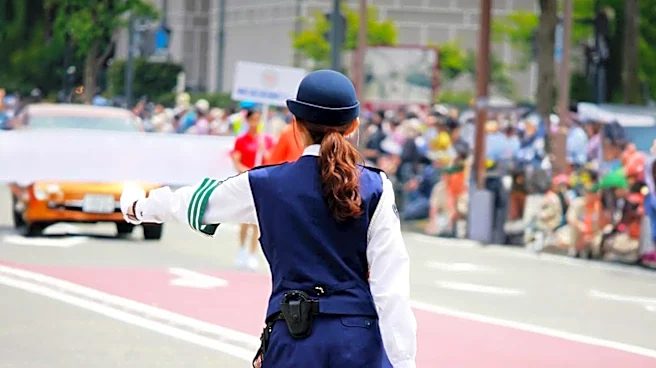
Street E. This initiative, described as an "all-hands-on-deck approach," combines law enforcement with social services. The plan involves increased patrols by the Sheriff’s Office, city police, parks police, and Metro Transit police, along with the installation of more security cameras. Concurrently, the city’s Homeless Response Team and Mobile Medical Unit will offer housing and treatment services. This marks a shift in approach from solely harm reduction to incorporating law enforcement, though harm reduction services will continue. The decision comes after community members, including Jolene Jones, expressed concerns about the spillover effects of rampant drug use, such as a child being injured by a discarded needle. Native leaders have previously sought interventions, including exclusionary zones around organizations heavily impacted by drug activity and increased police patrols.
Why It's Important?
This initiative is important because it represents a significant shift in how Minneapolis is addressing the complex issues of drug use, homelessness, and public safety within its Native American community. The blend of law enforcement and social services aims to tackle both the immediate public safety concerns and the underlying causes of addiction and homelessness. The Native American community in Minneapolis has historically faced disproportionate challenges, with American Indians making up over 11% of opioid-related deaths in Hennepin County from 2020 to 2024, and annual opioid-related hospital visits being historically high. The initiative seeks to interrupt a multigenerational cycle of addiction and crime that has deeply impacted the community. However, it also raises concerns about potential over-policing and the criminalization of addiction, given the historically fraught relationship between Native communities and law enforcement. The success of this approach will depend on genuine collaboration, direct investment, and a long-term vision that addresses the root causes while ensuring accountability and culturally sensitive care.
What's Next?
The initiative is described as a long-term effort without a fixed end date, aiming for sustained change and preventing the re-establishment of open-air drug markets. Native leaders, including those from the Metropolitan Urban Indian Directors (MUID), are seeking clarity on the initiative's goals, how success will be measured, and increased police accountability to rebuild trust. They have also called for discussions about temporary shelters for those awaiting housing and treatment, and a focus on addressing sex trafficking, which disproportionately affects Native women. Community members are advocating for more sober transitional housing and comprehensive recovery and mental health services. While the city is exploring options like a tiny home village and channeling resources into diversion programs, local Native organizations have not yet received additional funding beyond existing contracts. The ongoing challenge will be to ensure that the combined approach of enforcement and social services leads to meaningful, long-term solutions without further criminalizing addiction or exacerbating the community's mistrust of law enforcement.
Beyond the Headlines
The deeper implications of this initiative touch upon the delicate balance between public safety, harm reduction, and community trust, particularly within marginalized communities. The shift from a primary harm reduction approach to one that includes law enforcement reflects a growing frustration within the Native community regarding the unchecked spillover effects of drug activity. However, it also highlights the ethical dilemma of potentially criminalizing individuals struggling with addiction, which could lead to further overrepresentation of Native people in the criminal justice system. The call for increased police accountability and culturally responsive services underscores the need for systemic changes that go beyond immediate interventions. This situation also brings to light the broader issue of inadequate resources and coordination across different levels of government to address complex social problems like addiction and homelessness, leaving the burden disproportionately on community organizations. The long-term success will require not just addressing drug use, but also tackling the underlying social determinants of health and well-being within the Native American community.