



What's Happening?
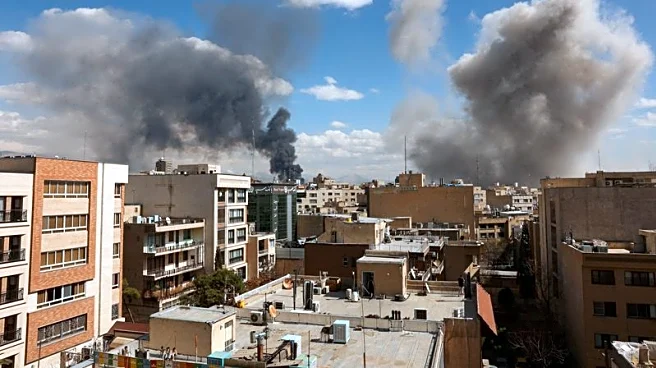
A recent escalation in the Middle East has transitioned into a hybrid conflict, combining military actions with extensive cyber operations. This follows joint military strikes by Israel and the United States on Iranian targets, including leadership and nuclear
sites, on February 28, 2026. Concurrently, a significant cyber campaign disrupted Iran's digital infrastructure, reducing internet connectivity to about 4% of normal levels. The cyber operations have severely impacted government services, media outlets, and sectors like energy and aviation. In retaliation, Iran launched missile and drone attacks on Israeli and US regional bases. Security experts anticipate further cyber retaliation from Iran, potentially involving cybercrime and ransomware. Notably, increased activity from groups like HydraC2, Handala, and Sicarii has been observed, with over 150 hacktivist incidents recorded, including DDoS attacks and website defacements.
Why It's Important?
The escalation of cyber activities in the Middle East poses significant risks to global cybersecurity, particularly for organizations with ties to the region. The potential for Iran to retaliate through cyber means could lead to increased cybercrime and ransomware attacks, affecting various sectors worldwide. This situation underscores the vulnerability of critical infrastructure and the need for heightened cybersecurity measures. Organizations are advised to review their risk postures, enhance monitoring, and ensure robust backup systems. The conflict highlights the evolving nature of warfare, where cyber operations play a crucial role alongside traditional military actions, potentially setting a precedent for future conflicts.
What's Next?
As tensions continue, organizations globally, especially those with operations in the Middle East, are urged to remain vigilant and prepare for potential cyber threats. The UK's National Cyber Security Centre has advised organizations to enforce multi-factor authentication and maintain offline backups. Critical infrastructure operators are encouraged to revisit contingency plans. The situation remains fluid, and further cyber retaliation from Iran is expected, which could involve sophisticated obfuscation tactics and the use of multiple threat actors. Monitoring and reporting any suspicious activity to relevant cybersecurity agencies will be crucial in mitigating risks.