
What's Happening?
Israel has mandated that Doctors Without Borders (MSF) halt its operations in Gaza by February 28, following the organization's refusal to comply with new registration requirements. These requirements include
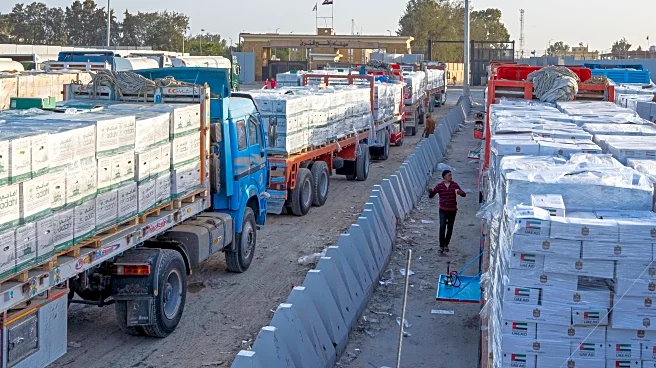
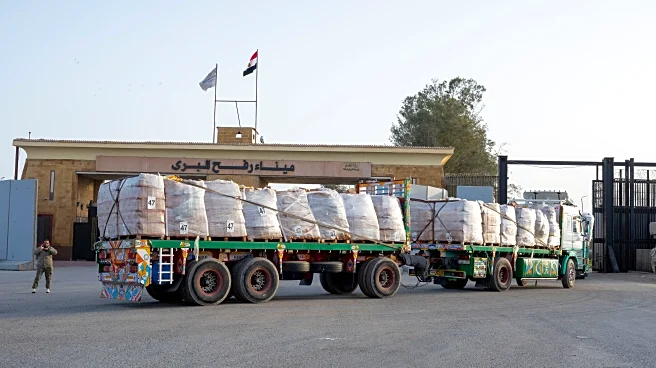
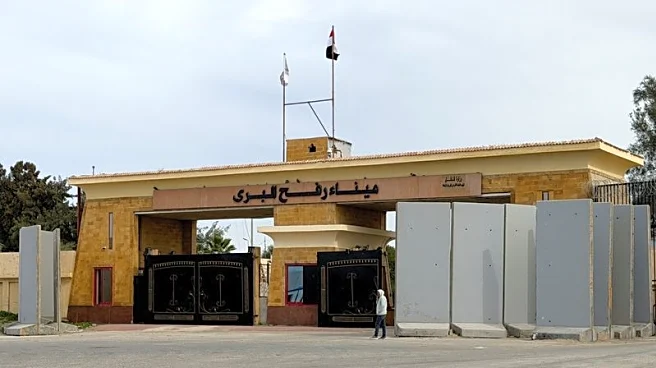
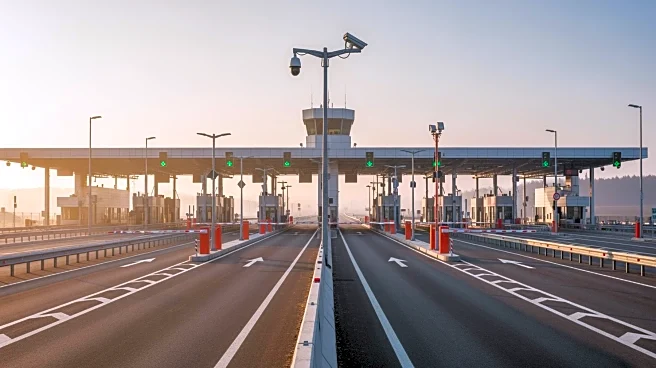
submitting lists of local employees, which MSF argues could jeopardize the safety of its Palestinian staff. The Israeli Ministry of Diaspora Affairs and Combating Antisemitism claims the regulations are necessary to prevent infiltration by Hamas and other militant groups. This decision comes as the Rafah crossing between Gaza and Egypt is set to partially reopen, allowing limited foot traffic. The crossing has been largely closed since May 2024, impacting the movement of people and goods. The reopening is part of a ceasefire agreement between Israel and Hamas, which aims to facilitate humanitarian aid and medical evacuations.
Why It's Important?
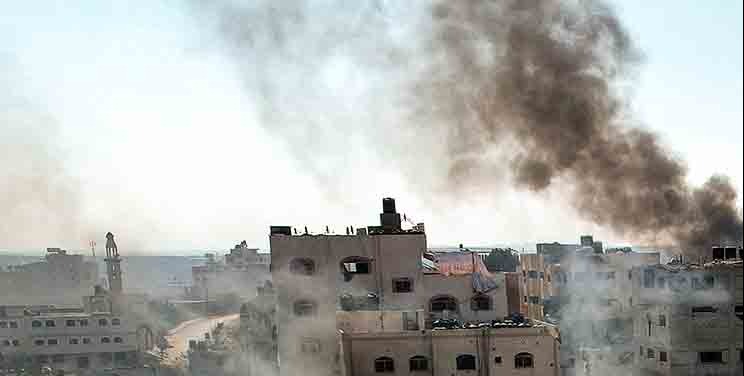
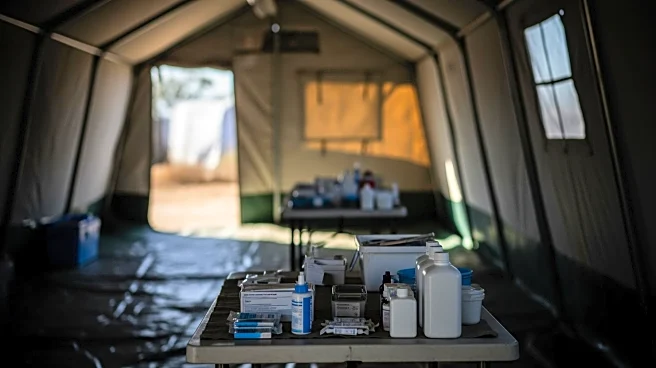
The expulsion of Doctors Without Borders from Gaza is significant as it could severely impact the region's already fragile healthcare system. MSF plays a crucial role in supporting Gaza's health sector, which has been devastated by years of conflict and restrictions on supplies. The organization's departure could lead to a reduction in medical services, affecting thousands of Palestinians who rely on their support. Additionally, the reopening of the Rafah crossing is a critical development for Gaza's residents, many of whom require medical treatment outside the territory. However, the limited number of people allowed to cross initially may not meet the urgent needs of the population. The situation highlights the ongoing humanitarian challenges in Gaza and the complex dynamics between Israel, Hamas, and international aid organizations.
What's Next?
As the Rafah crossing reopens, Israel and Egypt will vet individuals for exit and entry, with European Union border patrol agents supervising the process. Initially, only a small number of people will be allowed to cross, but this number is expected to increase if the system proves successful. The ceasefire agreement outlines further steps, including the establishment of a new Palestinian committee to govern Gaza and the deployment of an international security force. These developments could lead to significant changes in Gaza's governance and security landscape. Meanwhile, the international community may respond to Israel's decision to expel MSF, potentially influencing future aid operations in the region.
Beyond the Headlines
The decision to expel Doctors Without Borders raises ethical and legal questions about the balance between security concerns and humanitarian needs. The new regulations imposed by Israel could set a precedent for how aid organizations operate in conflict zones, potentially affecting their ability to provide impartial assistance. The situation also underscores the broader geopolitical tensions in the region, as Israel and Hamas navigate the terms of the ceasefire and the international community seeks to support Gaza's recovery. The reopening of the Rafah crossing, while a positive step, highlights the ongoing challenges of ensuring safe and equitable access to humanitarian aid for Gaza's residents.