









What's Happening?
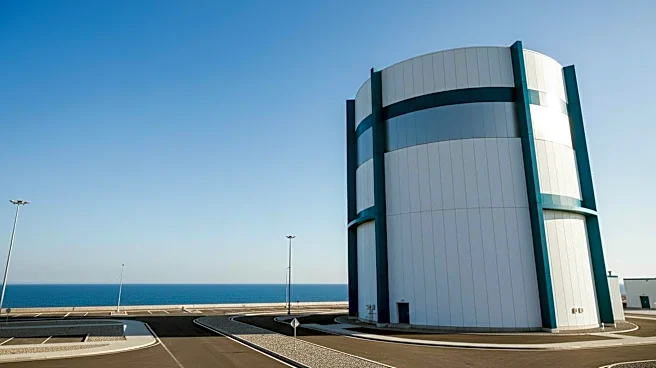
The Polish energy company SGE has announced plans to construct a series of 14 small modular reactors (SMRs) in the United Kingdom. This ambitious project is estimated to cost approximately £35 billion, equivalent to $46.5 billion. The initiative aims
to deliver its first power by the year 2034. The development of these reactors is part of a broader strategy to enhance nuclear energy capabilities and reduce carbon emissions. Small modular reactors are considered a more flexible and potentially safer alternative to traditional nuclear power plants, offering the ability to be deployed in a variety of locations and scales. SGE's investment in the UK reflects a growing interest in nuclear energy as a means to achieve energy security and sustainability goals.
Why It's Important?
The construction of small modular reactors by SGE in the UK represents a significant step in the global shift towards cleaner energy sources. This project could have substantial implications for the energy sector, particularly in terms of reducing reliance on fossil fuels and lowering carbon emissions. For the UK, this development aligns with its commitment to achieving net-zero emissions by 2050. The introduction of SMRs could also stimulate economic growth by creating jobs and fostering technological innovation. Additionally, the success of this project may encourage other countries to invest in similar nuclear technologies, potentially leading to a broader adoption of SMRs worldwide.
What's Next?
As SGE moves forward with its plans, the next steps will likely involve securing regulatory approvals and finalizing site selections for the reactors. The company will also need to engage with local communities and stakeholders to address any concerns related to safety and environmental impact. Furthermore, SGE may seek partnerships with other energy firms or government entities to support the financing and development of the reactors. The progress of this project will be closely monitored by industry experts and policymakers, as it could set a precedent for future nuclear energy initiatives.