






What's Happening?
The International Monetary Fund (IMF) projects Burkina Faso's economy to expand by 4.8% in 2027, an increase from the anticipated 4.4% growth in 2026. This positive outlook is primarily fueled by strong gold output and an expected rebound in the agricultural
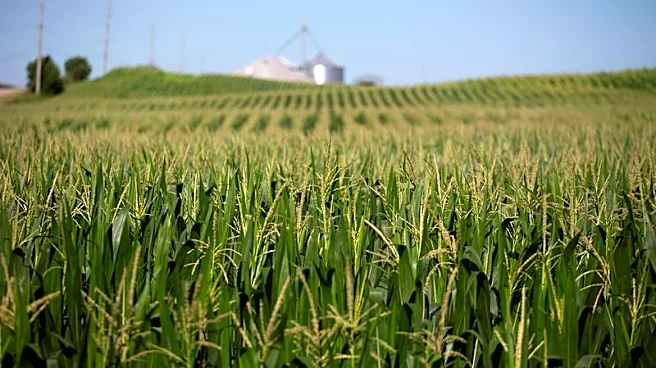
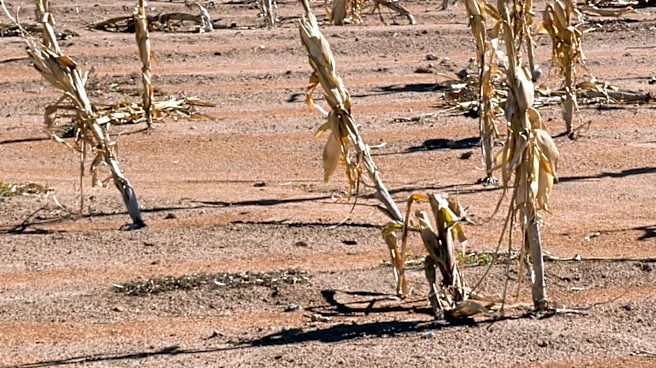
sector. High gold prices, increased production, and reforms aimed at formalizing artisanal mining are contributing to economic activity. Additionally, investments in agriculture, such as improved fertilizer access, expanded irrigation networks, dam rehabilitation, and new boreholes, have bolstered the sector's resilience against unfavorable rainfall. Despite this positive forecast, the IMF warns of significant economic risks, including potential threats to food security from El Niño-related weather conditions and increased inflationary and fiscal pressures due to rising global oil prices linked to the Middle East conflict.
Why It's Important?
Burkina Faso's projected economic growth, driven by key sectors like gold and agriculture, highlights the potential for resource-rich African nations to achieve economic expansion. For U.S. and international investors, this growth could present opportunities in mining, agriculture, and related infrastructure development. However, the identified risks, particularly those related to climate change (El Niño) and geopolitical events (Middle East conflict affecting oil prices), underscore the fragility of such economies. These factors can significantly impact operational costs, supply chains, and overall market stability, requiring careful risk assessment for any foreign engagement. The IMF's involvement, including potential disbursements, also signals a commitment to supporting Burkina Faso's economic stability and reform efforts.
What's Next?
The IMF and Burkina Faso's authorities have reached a staff-level agreement on economic and financial policies, paving the way for two additional disbursements totaling 64.58 million Special Drawing Rights (SDRs), subject to Executive Board approval in mid-January 2027. These funds are expected to support the country's economic stability and reform agenda. Burkina Faso will need to continue implementing policies that formalize artisanal mining and enhance agricultural resilience to sustain its growth trajectory. Close monitoring of global oil prices and climate patterns will be crucial for mitigating potential inflationary pressures and ensuring food security. The government's ability to manage these internal and external factors will be key to realizing the IMF's optimistic growth projections.
Beyond the Headlines
Burkina Faso's economic narrative is a microcosm of the broader development challenges and opportunities in sub-Saharan Africa. The reliance on natural resources like gold, while providing immediate economic benefits, also necessitates a long-term strategy for diversification to avoid commodity price volatility. The agricultural investments, aimed at climate resilience, are critical for food security and rural livelihoods, reflecting a proactive approach to environmental challenges. However, the persistent threat of geopolitical conflicts impacting global commodity prices highlights the interconnectedness of the global economy and the vulnerability of developing nations to external shocks. The IMF's continued engagement underscores the importance of international cooperation in fostering sustainable development in such regions.