



What's Happening?
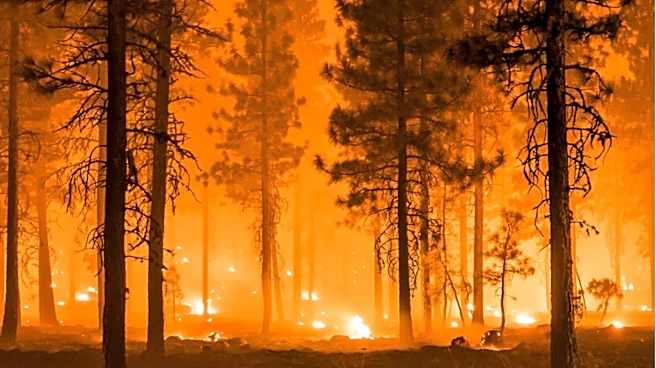
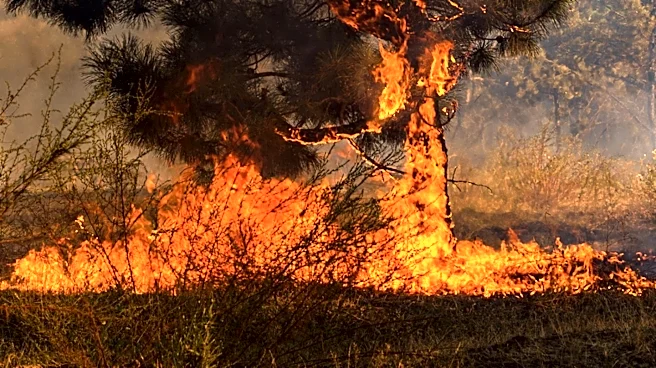
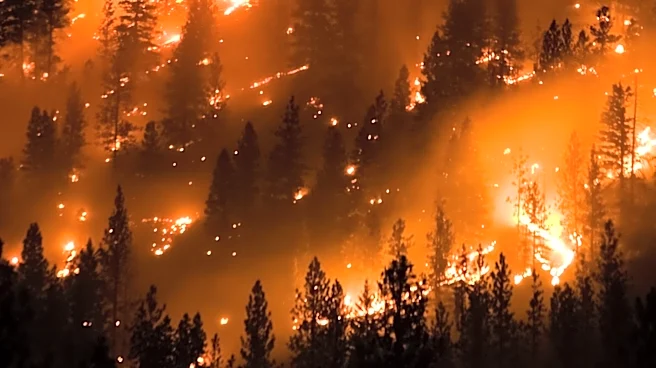
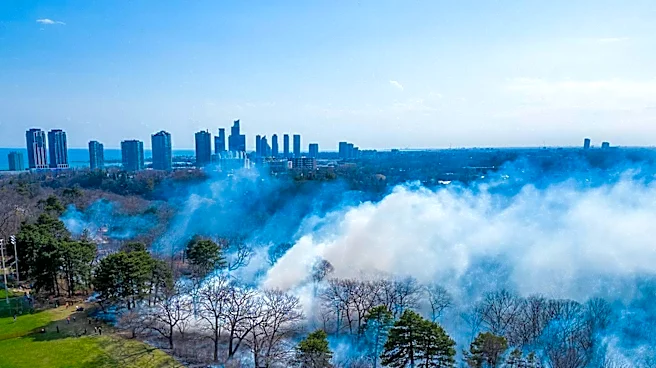
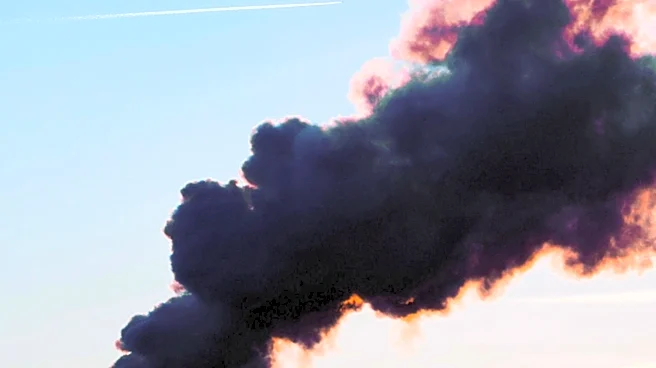
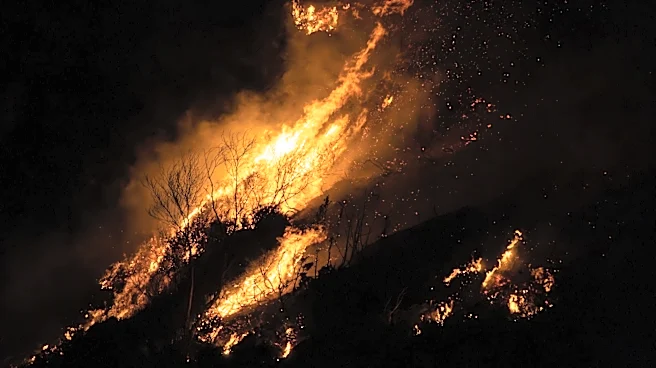
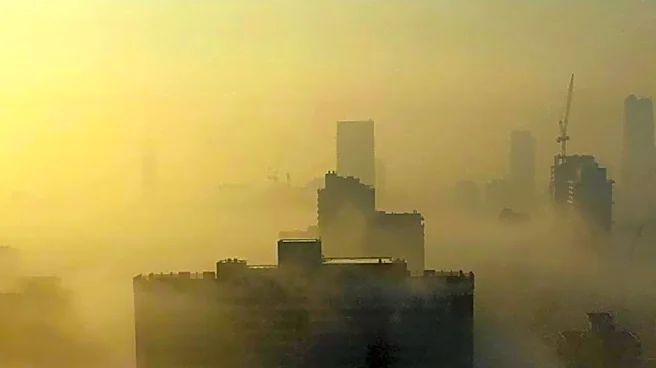
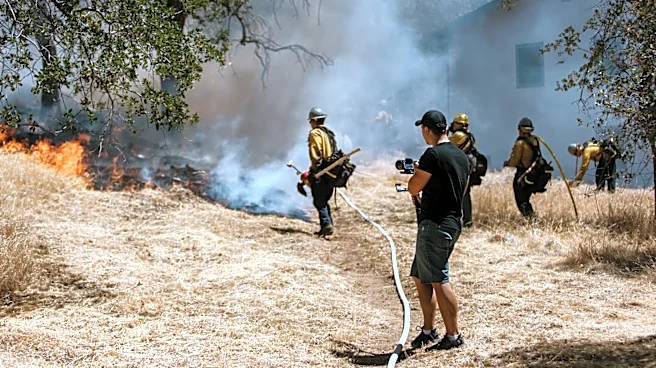
Smoke from Canadian wildfires is expected to blanket the skies over the Northeast, including the New York City area, through mid-week. This smoke originates from wildfires primarily burning in Ontario. The weather pattern, characterized by high pressure
over the Central U.S. and low pressure over Eastern Canada, is funneling the smoke over the Great Lakes into the Northeast. As a result, air quality is expected to deteriorate, with ground-level smoke particle concentrations potentially irritating respiratory systems, especially for sensitive individuals. Concurrently, the region is experiencing extreme heat due to high pressure, compounding the health risks and prompting advisories to limit outdoor activities.
Why It's Important?
The combination of wildfire smoke and extreme heat presents significant health risks, particularly for vulnerable populations such as the elderly, children, and those with pre-existing respiratory conditions. Poor air quality can exacerbate health issues, leading to increased hospital visits and healthcare costs. The situation underscores the broader implications of climate-related events on public health and urban living conditions. It also highlights the need for effective emergency response strategies and public health advisories to mitigate the impact on affected communities.
What's Next?
Residents in the affected areas are advised to monitor air quality reports and heed public health advisories. Authorities may issue further alerts or recommendations as conditions evolve. The situation may prompt discussions on long-term strategies to address the impacts of climate change and improve urban resilience to such environmental challenges.