


What's Happening?
Iran is experiencing severe economic challenges as inflation rates have soared to levels not seen since World War II. According to a report by Iran's Central Bank, the consumer price index rose by 77.2% in May compared to the previous year, with daily
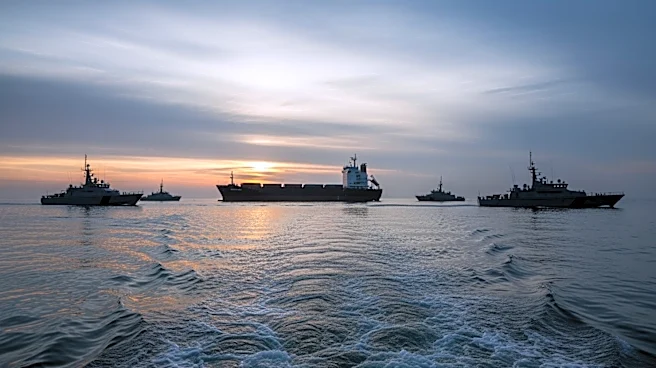
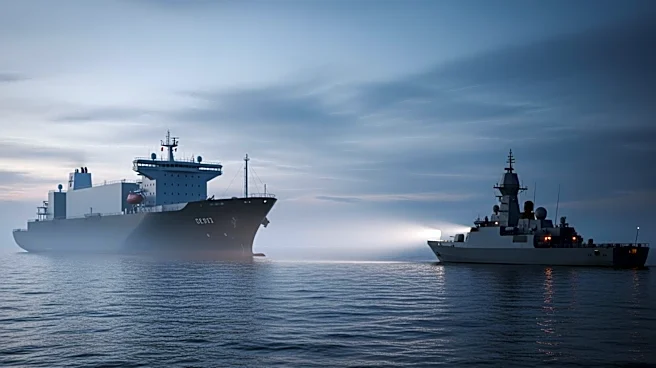
necessities like medicine and transportation seeing a 113.8% increase. This economic strain is compounded by ongoing geopolitical tensions, including a naval blockade by the United States and the impact of airstrikes on Iranian businesses. The rial has depreciated significantly, trading at over 1.7 million to $1, compared to 32,000 to $1 in 2015. The economic situation has previously led to nationwide protests, and there are concerns that further unrest could occur if conditions do not improve.
Why It's Important?
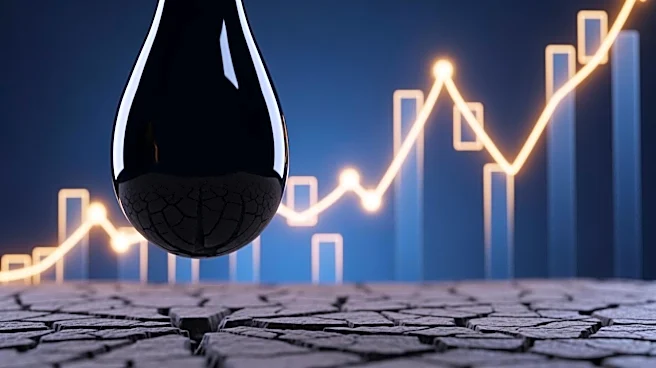
The inflation crisis in Iran has significant implications for both the region and the global economy. The economic instability could lead to increased social unrest, potentially destabilizing the region further. For the U.S. and its allies, the situation presents a complex challenge in terms of foreign policy and economic sanctions. The economic hardship faced by Iranians could also impact global oil markets, as Iran is a major oil producer. The depreciation of the rial and the blockade on oil exports could lead to fluctuations in global oil prices, affecting economies worldwide.
What's Next?
If the economic conditions continue to deteriorate, Iran may face increased domestic unrest, which could prompt a stronger response from the government. Internationally, there may be calls for diplomatic interventions to address the humanitarian and economic crisis. The U.S. and other countries might need to reassess their strategies regarding sanctions and diplomatic relations with Iran. Additionally, the global community will be watching closely to see how Iran navigates its economic challenges and whether it can stabilize its economy without further escalating tensions.