



What's Happening?
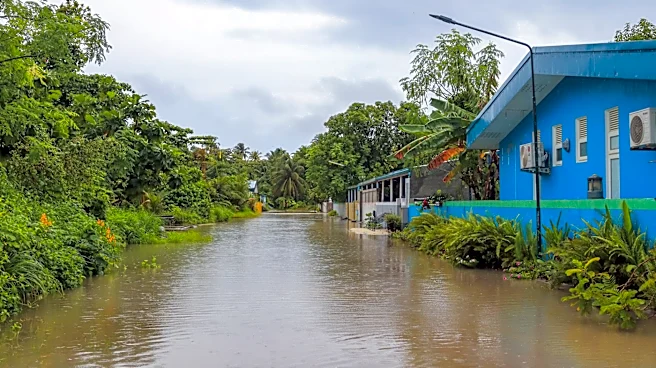
In July 2026, Texas Hill Country faced another major flooding event, testing the new flood warning systems implemented after the catastrophic floods of July 2025. The 2025 floods, which resulted in 136 deaths, highlighted significant deficiencies in Texas'
emergency warning systems. In response, state and local officials introduced reforms, including improved flood-warning systems, tighter safety requirements for youth camps, and broader investments in emergency preparedness. The recent storms provided the first real-world test of these measures. While the flooding still resulted in fatalities and numerous rescues, the upgraded systems reportedly performed better, with residents receiving multiple warnings before floodwaters arrived.
Why It's Important?
The effectiveness of Texas' new flood warning systems is crucial for public safety in a region known as 'Flash Flood Alley.' The 2025 disaster underscored the need for robust emergency infrastructure to prevent loss of life. The recent improvements, including new sirens and enhanced alert systems, aim to provide residents with critical time to evacuate during emergencies. However, the continued occurrence of fatalities and large-scale rescues indicates that while progress has been made, further enhancements are necessary. The situation highlights the ongoing challenges of managing extreme weather events in flood-prone areas and the importance of continuous investment in disaster preparedness.
What's Next?
As Texas continues to face severe weather events, further evaluation of the new warning systems' effectiveness is expected. State and local authorities may consider additional investments in flood sensors and targeted alert technologies to enhance public safety. The recent floods serve as a reminder of the need for ongoing improvements in emergency management strategies. Stakeholders, including government officials and emergency management agencies, will likely assess the recent events to identify areas for further enhancement and ensure that communities are better prepared for future flooding incidents.