
What's Happening?
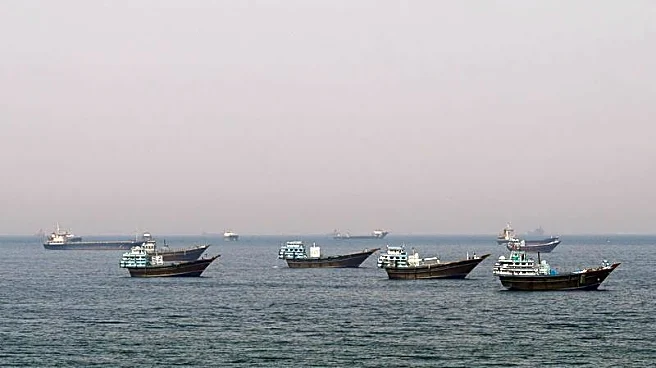
A ceasefire in the Middle East, intended to halt hostilities, is being tested as Iran continues to engage in military actions, including firing at and seizing ships in the Strait of Hormuz. Despite the ceasefire,
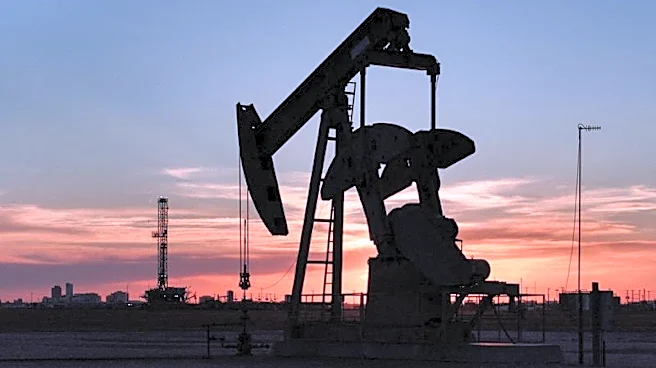
the U.S. maintains a military blockade and has targeted Iranian vessels. The situation has led to a significant increase in oil prices, with Brent crude rising over 3% to $101.91 per barrel and U.S. West Texas Intermediate futures also climbing more than 3% to $92.96 per barrel. The ongoing tensions highlight the fragile nature of the ceasefire and its limited impact on reducing regional hostilities.
Why It's Important?
The developments in the Middle East have significant implications for global oil markets and geopolitical stability. The Strait of Hormuz is a critical chokepoint for global oil shipments, and any disruption can lead to volatility in oil prices, affecting economies worldwide. The rise in oil prices could have a ripple effect on inflation and economic growth, particularly in oil-importing countries. Additionally, the continued hostilities underscore the challenges in achieving lasting peace in the region, which could have broader implications for international relations and security. Stakeholders in the energy sector and policymakers will need to monitor the situation closely to mitigate potential economic impacts.