




What's Happening?
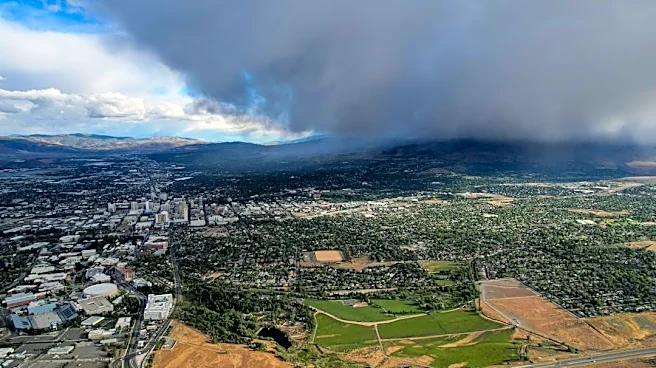
A new study by DRI researchers has provided a detailed look into the hazardous chemicals present in wildfire smoke affecting Reno, Nevada's air quality. The study, published in the journal Atmospheric Pollution Research, compared air quality data from
smoke-free days in 2019 to smoke-affected days in 2020. It found elevated levels of particulate matter (PM2.5), organic carbon, elemental carbon, ozone, and over 100 toxic compounds known as polycyclic aromatic hydrocarbons (PAHs). On the smokiest days, PM2.5 concentrations were 1.1 to 2.8 times higher than the EPA National Air Quality standard, and PAH concentrations were 6.3 to 47 times higher. While ozone levels showed a limited increase of about 12% on smoke-affected days, suggesting vehicle exhaust remains the primary source, the study highlighted that many of these compounds are known to be hazardous to human health. Previous research has already linked elevated PM2.5 from wildfire smoke to increased emergency room visits for asthma in Reno and Sparks hospitals.
Why It's Important?
This study is crucial for understanding the full public health implications of wildfire smoke, particularly in regions like Northern Nevada that are frequently impacted by California wildfires. The identification of a wide range of toxic PAHs, many of which are not regularly monitored, indicates that current air quality assessments may be insufficient. This gap in monitoring could lead to an underestimation of the overall toxicity and health risks posed by wildfire smoke. The findings underscore the need for more comprehensive air quality monitoring that includes a broader spectrum of hazardous compounds. For residents, especially sensitive groups like children, older adults, and those with pre-existing conditions, this means prolonged exposure to unhealthy air quality with potentially severe long-term health consequences, including increased emergency room visits for respiratory issues. The study provides critical data for public health officials and policymakers to develop more effective protective measures and health advisories.
What's Next?
The DRI researchers recommend further health studies and regular air monitoring for a wider range of PAHs, especially in regions frequently impacted by wildfire smoke. This suggests a need for updated air quality standards and monitoring protocols to accurately assess and communicate the risks to the public. Public health initiatives may need to adapt to address the specific toxic components identified in wildfire smoke, potentially leading to more targeted health advisories and interventions. For residents of Reno and similar areas, staying informed about air quality, particularly during wildfire seasons, and taking protective measures will remain critical. The study's findings could also influence urban planning and environmental policies aimed at reducing overall air pollution, as vehicle exhaust remains a significant contributor to ground-level ozone, even on smoky days.
Beyond the Headlines
The detailed analysis of wildfire smoke's chemical composition reveals a more insidious and complex environmental threat than previously understood. The presence of numerous unmonitored PAHs highlights a systemic challenge in environmental regulation and public health protection, where existing frameworks may not fully capture emerging hazards. This situation raises questions about the adequacy of current environmental monitoring technologies and the need for continuous adaptation to new environmental realities driven by climate change. Ethically, it underscores the responsibility of scientific institutions to uncover these hidden dangers and for governmental bodies to act on this knowledge to safeguard public health. The long-term implications could include a re-evaluation of how 'clean air' is defined and measured, potentially leading to more stringent regulations and innovative solutions for air purification and pollution control in affected urban areas.