







What's Happening?
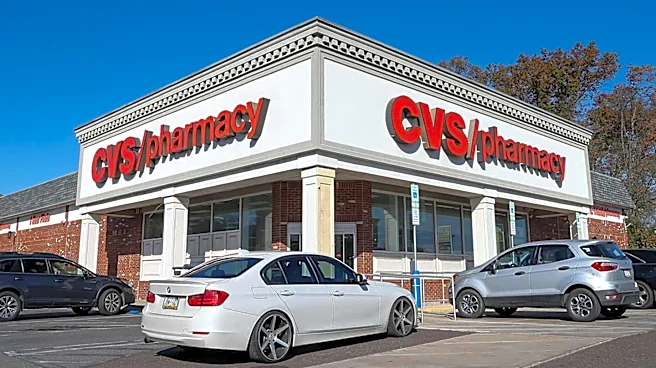
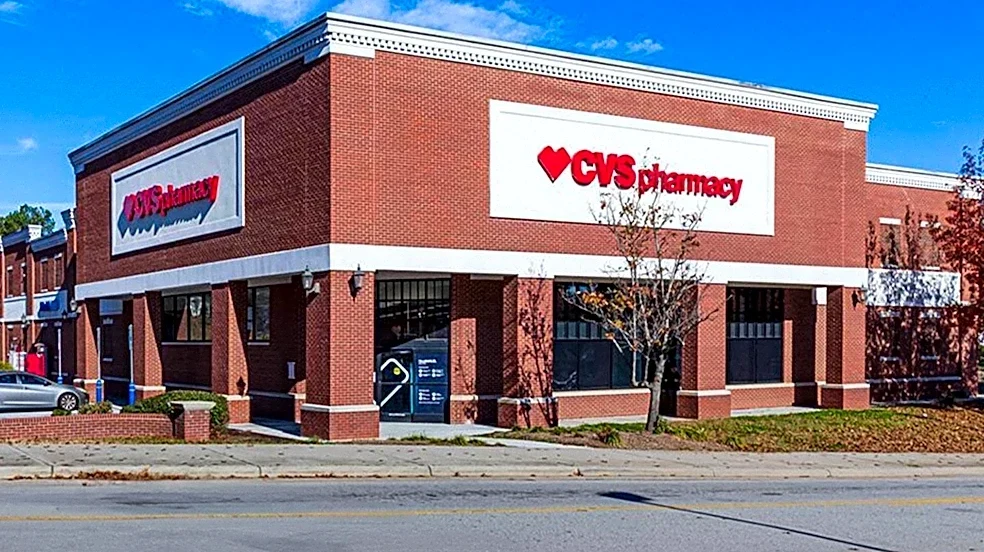
CVS Health has significantly expanded its immunization services across its more than 9,000 locations nationwide, including CVS Pharmacy and MinuteClinic. This initiative aims to make preventive healthcare more accessible to communities by offering a wide range
of vaccines administered by certified immunizing pharmacists and nurse practitioners. The services cover routine and seasonal vaccines such as influenza and COVID-19, which are updated annually. Additionally, CVS provides routine adult vaccines like Tdap and Shingrix, with the latter requiring a two-dose series that CVS tracks digitally. Pneumococcal vaccines, including Prevnar 20 and Vaxneuvance, are also available for young children and older adults. For international travelers, CVS MinuteClinic offers pre-travel consultations and specialized vaccines like Hepatitis A and B, Typhoid, Japanese Encephalitis, and Yellow Fever at select locations. The pharmacy also provides immunizations required for school entry, college admissions, and specific employment sectors, such as MMR, Meningococcal, and HPV vaccines. State regulations dictate the minimum age for vaccination at pharmacies, with some states allowing pharmacists to immunize children as young as three, while others have stricter age thresholds.
Why It's Important?
This expansion by CVS Health is crucial for U.S. public health, as it significantly increases access to essential immunizations, particularly for seasonal viruses like influenza and COVID-19. The convenience of getting vaccinated at a local pharmacy, often without a prior appointment or with same-day scheduling, removes significant barriers to healthcare access. This is especially beneficial for individuals who may struggle to schedule appointments with primary care physicians due to time constraints or availability. By making vaccines more readily available, CVS contributes to higher vaccination rates, which are vital for preventing local outbreaks and mitigating the severity of infectious diseases across communities. The financial accessibility of these services is also a key factor, as most preventive vaccines are covered at 100% by commercial insurance plans, Medicare Part B or D, and Medicaid under the Affordable Care Act, often resulting in no out-of-pocket costs for patients. This broad coverage ensures that economic status does not hinder access to critical preventive care, promoting health equity nationwide.
What's Next?
CVS Health is expected to continue adapting its immunization offerings based on public health needs and evolving vaccine recommendations from organizations like the CDC. Patients can anticipate ongoing updates to seasonal vaccines, such as annual flu shots and periodic COVID-19 boosters, to combat circulating strains. The digital notification system for multi-dose vaccines like Shingrix will likely continue to remind patients of upcoming doses, ensuring completion of vaccination series. CVS will also likely maintain its online scheduling system and walk-in options, aiming to reduce wait times and enhance convenience, especially during peak vaccination seasons. Furthermore, the company will continue to operate under state-specific regulations regarding age limitations for vaccinations, which may evolve over time. Patients are encouraged to check the CVS website or app for the most current information on vaccine availability, scheduling, and insurance coverage, and to consult with CVS pharmacists for personalized vaccination advice.
Beyond the Headlines
The widespread availability of immunization services at pharmacies like CVS represents a significant shift in the delivery of preventive healthcare in the U.S. This model decentralizes healthcare, moving it beyond traditional doctor's offices and into community-based settings, which can help alleviate the burden on primary care providers. It also underscores the expanding role of pharmacists and nurse practitioners as frontline healthcare providers, capable of administering a broad range of medical services. This trend could lead to further integration of pharmacies into the broader healthcare ecosystem, potentially offering more diagnostic services, chronic disease management, and health screenings. The emphasis on digital tools for scheduling and record-keeping also highlights the increasing digitalization of healthcare, improving efficiency and patient engagement. However, it also raises questions about the continuity of care and the importance of maintaining communication between pharmacy-based services and a patient's primary care physician to ensure comprehensive health management.