








What's Happening?
The Trump administration has ordered the tech company Anthropic to halt foreign access to its advanced AI models, Mythos 5 and Claude Fable 5, citing national security concerns. This unprecedented move affects all foreign nationals, prompting Anthropic to take
the models offline. The decision has caused significant disruption in Europe, which relies heavily on U.S.-developed AI technologies. French President Emmanuel Macron criticized the move as a nationalist reaction and a wake-up call regarding AI dangers. The ban is part of a series of transactional policies by the Trump administration, including a global trade war and threats to withdraw from NATO.
Why It's Important?
The export ban highlights the growing tension between the U.S. and its allies over technology access and control. It underscores the vulnerability of allied nations to U.S. technological policies, prompting calls for greater self-reliance. The decision could lead to a shift in how countries approach AI development and collaboration, potentially affecting global tech partnerships and innovation. European leaders are now considering strategies to reduce dependency on U.S. technology, which could alter the balance of technological power and influence.
What's Next?
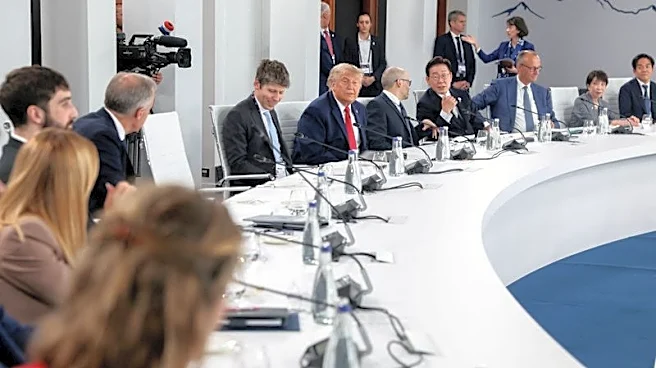
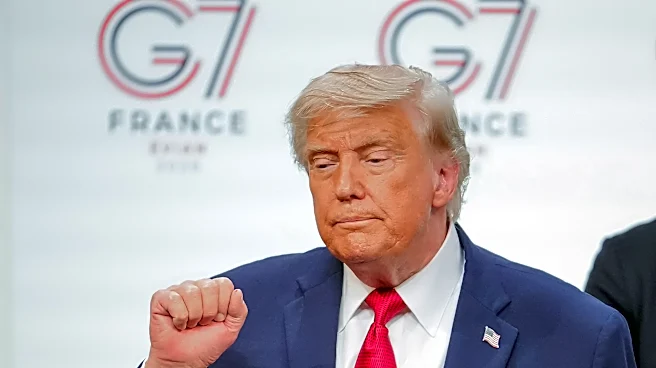
In response to the ban, European countries may accelerate efforts to develop their own AI capabilities, reducing reliance on U.S. technology. Discussions at the G7 summit suggest a potential 'trusted partner' scheme for AI access, though details remain sparse. The situation may also prompt further policy changes in the U.S. regarding tech exports, as allies push back against perceived overreach. The long-term impact could include a more fragmented global tech landscape, with countries prioritizing technological sovereignty.
Beyond the Headlines
The ban raises ethical and strategic questions about the control and distribution of advanced technologies. It highlights the geopolitical implications of AI and the need for international cooperation to address security concerns. The incident may also influence public policy debates on tech sovereignty and the role of government in regulating emerging technologies. As countries reassess their tech dependencies, the move could lead to a reevaluation of global alliances and economic partnerships.