







What's Happening?
The European Union has released its revised Arctic strategy, titled 'Northern Neighbourhood,' which reiterates its opposition to fossil fuel extraction in the region. While the new 22-page document does not call for a legally binding ban on drilling or purchasing
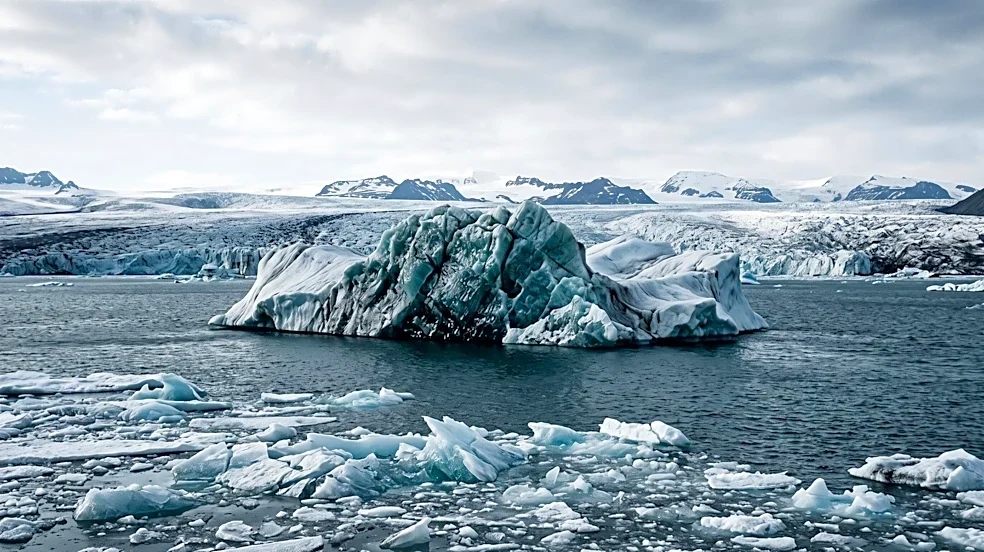
fossil fuels from new Arctic fields, it maintains the stance that oil, gas, and coal should remain in the ground. This strategy comes as the Arctic experiences rapid climate change, with warming occurring almost four times faster than the global average, and increasing geopolitical tensions. European Commission President Ursula von der Leyen stated that the Arctic is critical to Europe's future, highlighting its close connection and the strategic competition driven by new shipping routes and resources. The strategy outlines four main priorities: strengthening security and resilience, responding to climate change, promoting prosperity, and creating opportunities for local communities. A significant change from the 2021 strategy is the heightened focus on security, reflecting the deteriorated situation following Russia's full-scale war against Ukraine. The EU also plans to ban the import of liquid natural gas (LNG) from Russia by January 1, 2027.
Why It's Important?
This revised EU Arctic strategy holds significant implications for global energy markets and international relations, particularly concerning the U.S. While the U.S. is not an Arctic coastal state in the same way as Russia or Canada, its strategic interests in the region are substantial, especially regarding security and resource access. The EU's push for renewable energy in the Arctic could influence U.S. energy policy discussions and investments in green technologies, potentially fostering transatlantic cooperation on climate initiatives. The emphasis on security and resilience, including increased surveillance and military mobility, directly impacts NATO's role in the Arctic, a key area of U.S. defense strategy. As Russia and China increase their presence and ambitions in the Arctic, the EU's strategy underscores the region's emergence as a 'front line of global power competition,' a development closely monitored by U.S. defense and foreign policy establishments. The EU's ban on Russian LNG imports by 2027 could also create new opportunities for U.S. LNG exporters, reshaping global energy supply chains.
What's Next?
The EU's strategy indicates several immediate and long-term actions. The bloc plans to further integrate energy networks across its northern borders by funding new power lines, leveraging the Arctic's potential for wind, hydropower, geothermal, and renewable hydrogen production. Efforts will be stepped up in surveillance, infrastructure, military mobility, and defense technologies capable of withstanding the harsh Arctic climate. Close cooperation with NATO is deemed essential to improve Europe's military mobility in the region, with plans to accelerate the development of east-west transport links, including rail connections from Norway's port of Narvik through Sweden to Finnish Lapland. The ban on Russian LNG imports is set to take effect by January 1, 2027. These initiatives suggest a continued focus on both environmental sustainability and enhanced security posture in the Arctic, with potential for increased collaboration and competition among international actors.
Beyond the Headlines
The EU's revised Arctic strategy highlights a broader global shift towards viewing the Arctic not merely as a remote, pristine environment, but as a critical geopolitical arena. The ethical dimension of balancing resource extraction with environmental protection is central, as the EU advocates for leaving fossil fuels in the ground while simultaneously seeking to harness the region's renewable energy potential. This approach could set a precedent for other nations with Arctic interests, including the U.S., in navigating the complex interplay between economic development and ecological preservation. The increased military focus in the Arctic also raises concerns about potential militarization and the risk of miscalculation in a region historically characterized by cooperation. The strategy's emphasis on resilient infrastructure and economic opportunities for local communities underscores the cultural and social implications of these changes, ensuring that the human element remains a consideration amidst strategic competition and climate action.