






What's Happening?
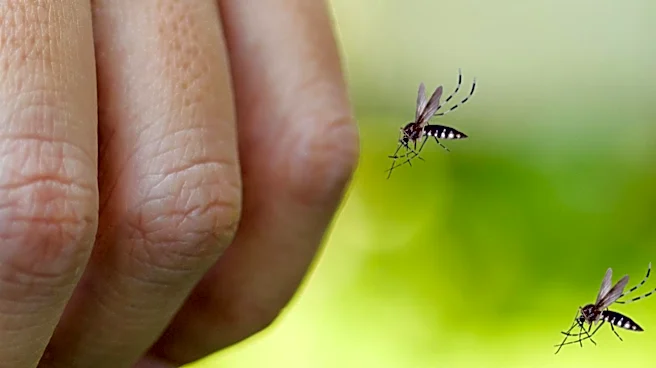
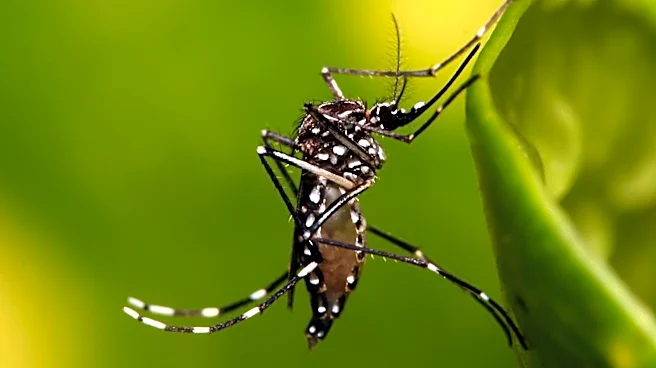
The West Nile virus has been detected in 89 ZIP codes across New York City, according to recent data from the city's health department. This represents more than half of the city's ZIP codes. The virus is transmitted to humans through mosquito bites,
and while many infected individuals experience mild or no symptoms, severe cases can lead to high fever, neurological issues, and even paralysis. The health department is actively working on remediation efforts and has made data available for residents to check if their area is affected. Last summer, national case counts were 40% higher than normal, with over half classified as severe.
Why It's Important?
The widespread detection of the West Nile virus in New York City highlights the ongoing public health challenge posed by mosquito-borne diseases. The virus can lead to severe health complications, particularly for individuals over 50 or those with compromised immune systems. The increase in cases underscores the need for effective mosquito control measures and public awareness campaigns to prevent bites. The situation also reflects broader trends in vector-borne diseases, which are influenced by factors such as climate change and urbanization. Public health officials must balance immediate response efforts with long-term strategies to mitigate future outbreaks.