
What's Happening?
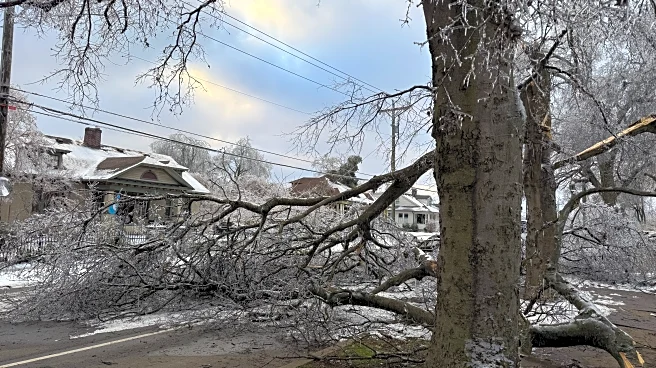
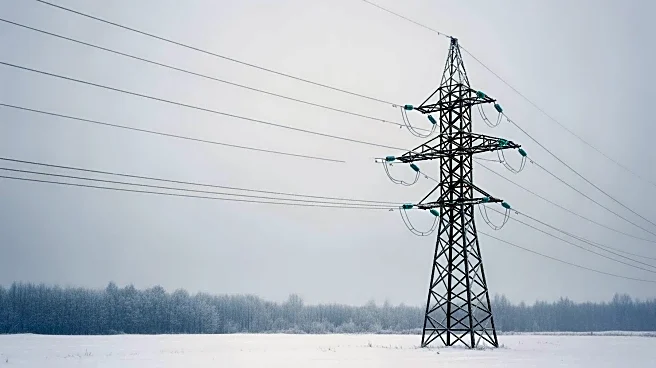
A severe arctic blast is sweeping across the southern United States, causing dangerously cold conditions and leaving tens of thousands without power. The National Weather Service has issued cold weather alerts from Texas to Florida, warning of potential
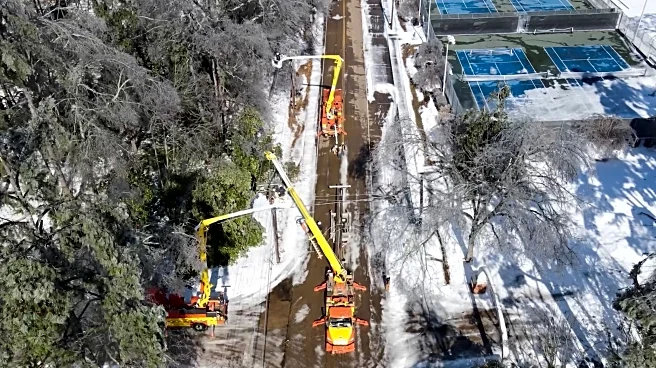
hypothermia risks. The cold snap follows a recent ice storm that caused significant damage, including downed power lines and trees, and resulted in multiple fatalities across several states. In Florida, temperatures are expected to drop to their lowest in over 15 years, threatening crops and sensitive vegetation. The state is preparing for potential freeze conditions that could damage agricultural outputs, particularly citrus and other winter crops. Meanwhile, power restoration efforts are ongoing in affected areas, with infrastructure not typically designed to withstand such cold conditions.
Why It's Important?
The extreme weather conditions pose significant challenges to the southern U.S., a region unaccustomed to such severe cold. The power outages exacerbate the risk of hypothermia and other cold-related health issues, particularly among vulnerable populations such as the elderly and those without adequate shelter. The agricultural sector in Florida faces potential losses, which could impact food supply chains and economic stability in the region. Additionally, the cold weather could lead to increased energy demand, straining resources and potentially leading to further outages. The situation highlights the need for improved infrastructure resilience to handle diverse weather conditions, as climate change may increase the frequency of such extreme events.
What's Next?
As the cold front continues, efforts to restore power and clear roads of ice and snow are critical. Authorities are advising residents to take precautions against the cold, including securing plants and pipes and ensuring adequate heating. The weather is expected to moderate by early next week, with temperatures rising, but the immediate focus remains on managing the current crisis. The agricultural industry will need to assess the damage and implement strategies to mitigate future risks. Long-term, there may be discussions on enhancing infrastructure to better withstand such weather events.