





What's Happening?
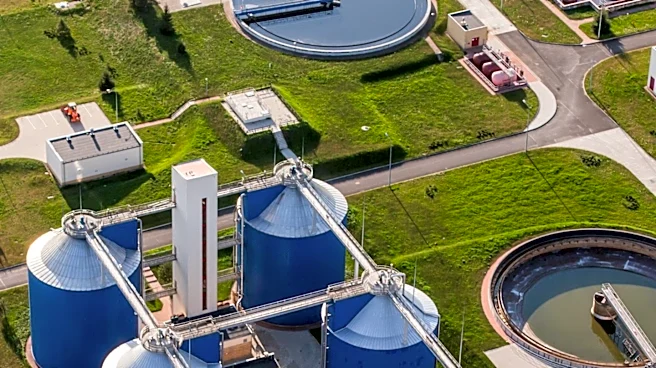
Researchers at Penn State have identified winter rye as a promising feedstock to enhance the economic viability of farm-scale anaerobic digestion systems, which convert cow manure into biogas. The U.S. dairy industry faces significant challenges in reducing
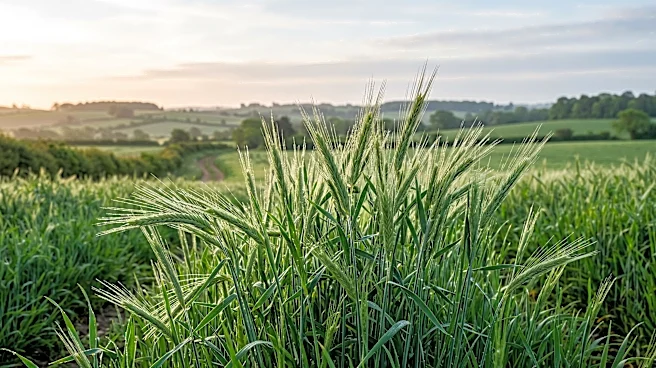
greenhouse gas emissions, particularly methane from manure storage. While anaerobic digestion offers a solution by producing renewable energy, high construction and operating costs have historically limited its adoption. The Penn State study, published in Biomass Conversion and Biorefinery, modeled a 1,000-cow dairy farm in the northeastern United States, comparing manure-only digestion with systems that co-digested manure with switchgrass, corn stover, or winter rye. Winter rye emerged as the most effective option due to its high biogas yield and its ability to grow between cash crops without requiring additional acreage. This co-digestion approach significantly reduces the financial support needed for these projects to break even, dropping from approximately 47% for manure-only systems to as low as 4% in the best-performing co-digestion scenarios.
Why It's Important?
This research is crucial for the U.S. dairy industry, which is under increasing pressure to reduce its environmental footprint. Methane, a potent greenhouse gas, is a major byproduct of manure management, and finding economically viable solutions for its reduction is paramount. By improving the financial feasibility of anaerobic digestion through co-digestion with winter rye, dairy farms can more readily adopt technologies that mitigate methane emissions. This not only contributes to national climate goals but also offers dairy farmers a new revenue stream through renewable energy production, enhancing their economic resilience. The findings suggest a pathway for sustainable agricultural practices that benefit both the environment and the economic stability of the dairy sector, potentially influencing policy incentives and investment in agricultural bioenergy.
What's Next?
The Penn State researchers have made their models, code, and datasets publicly available, allowing for further analysis and adaptation to various farm sizes, feedstocks, locations, and market conditions. This transparency could accelerate the development and implementation of similar projects across the U.S. dairy industry. Future steps will likely involve pilot programs and broader adoption efforts to demonstrate the practical application and scalability of winter rye co-digestion. Stakeholders, including dairy farmers, agricultural technology providers, and policymakers, will need to collaborate to integrate these findings into practical solutions. The success of these initiatives will depend on continued research, supportive policy frameworks, and market development for renewable natural gas and electricity generated from agricultural waste.
Beyond the Headlines
The study highlights a broader shift towards integrating sustainable practices with economic viability in agriculture. It underscores the potential for agricultural waste to be transformed into valuable resources, moving beyond traditional waste management to a circular economy model. This approach could foster innovation in bioenergy and agricultural technology sectors, creating new jobs and economic opportunities in rural areas. Furthermore, the emphasis on matching system size with energy product and considering market conditions reflects a sophisticated understanding of the complexities involved in transitioning to sustainable energy. This research could serve as a model for other agricultural sectors facing similar environmental and economic pressures, promoting a more holistic and integrated approach to food production and energy generation.