


What's Happening?
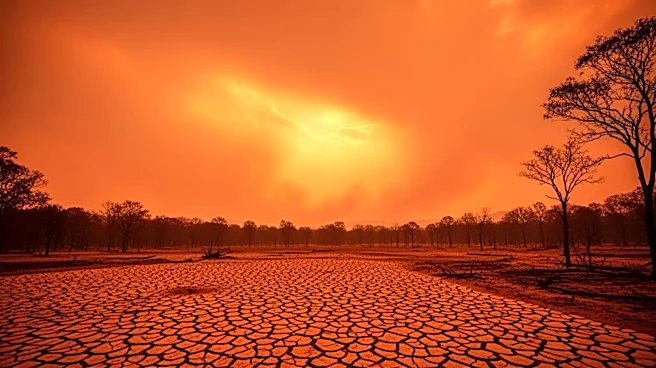
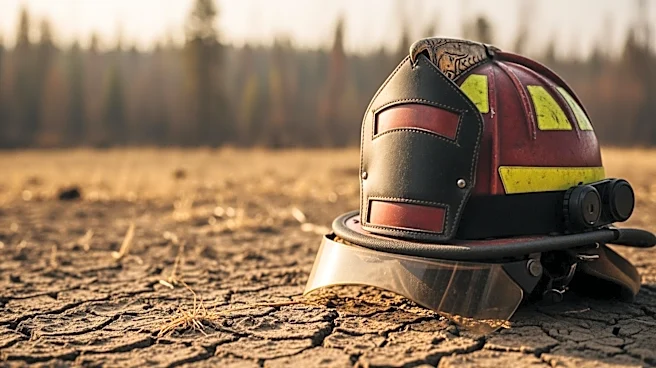
The start of the wildfire season has been marked by unprecedented levels of fire activity, with over 150 million hectares burned globally in the first four months of the year. This area is nearly double the seasonal average, according to the Global Wildfire
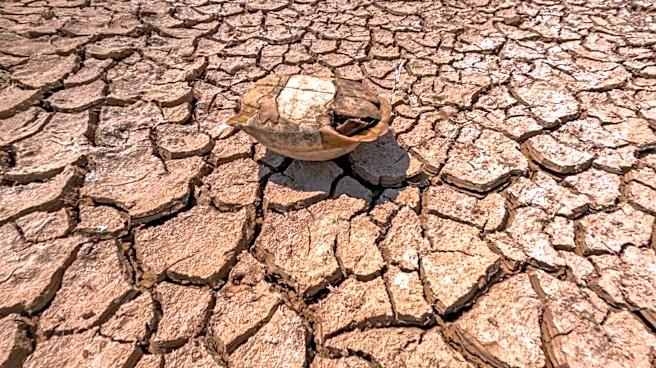
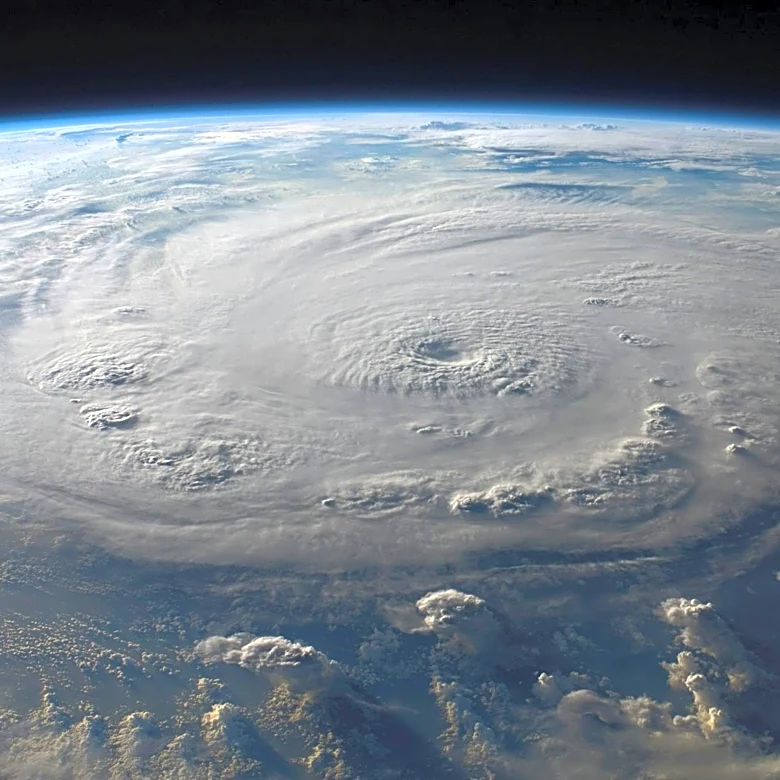
Information System. The situation is exacerbated by record-breaking heat and drought conditions, which are expected to worsen with the development of El Niño. This natural phenomenon, characterized by the warming of the tropical Pacific Ocean, is anticipated to intensify extreme weather patterns, including heatwaves, droughts, and wildfires. The U.S., along with countries like Argentina, Chile, and Japan, has already experienced significant fire activity, overwhelming firefighting resources.
Why It's Important?
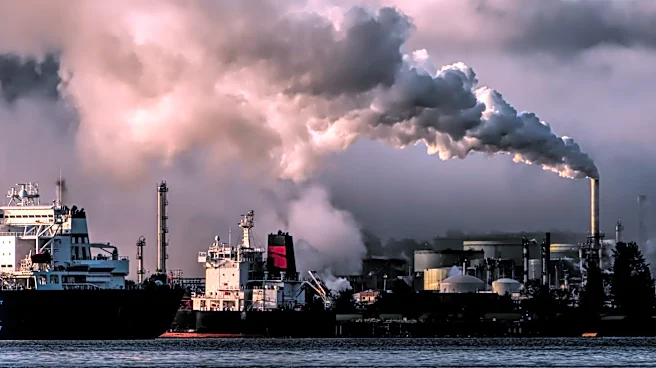
The early onset and intensity of the wildfire season pose significant risks to public safety, environmental health, and economic stability. The fires contribute to air pollution, which can exacerbate respiratory conditions and other health issues. Additionally, the destruction of natural habitats and agricultural lands can lead to food supply disruptions and economic losses. The anticipated El Niño could further amplify these challenges by increasing the frequency and severity of extreme weather events. This situation underscores the urgent need for enhanced fire management strategies and climate change mitigation efforts to protect communities and ecosystems.
What's Next?
As El Niño develops, it is expected to bring about more extreme weather conditions, potentially leading to unprecedented levels of fire activity. Firefighting agencies may need to allocate additional resources and develop more robust response strategies to manage the increased risk. Policymakers and environmental organizations might also push for stronger climate action to address the underlying causes of these extreme weather patterns. Public awareness campaigns could be launched to educate communities about fire safety and preparedness measures.