


What's Happening?
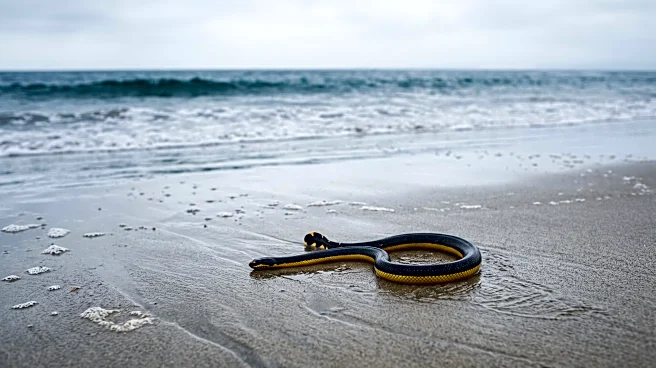
Southern California is experiencing an influx of warm-water marine species, including venomous yellow-bellied sea snakes, hammerhead sharks, whale sharks, and mahi-mahi, attributed to the current strong El Niño event. Five of the six recorded yellow-bellied sea snake sightings
in California have occurred during El Niño years, with the first in 1972-73 and three more during the 2015-16 event. The Natural History Museum of Los Angeles County describes the current El Niño as potentially the strongest in over a century, leading to significantly warmer ocean temperatures off the California coast. These warmer waters and shifting currents are carrying open-water species far north of their typical habitats. As autumn and winter approach, cooler temperatures cause these snakes to become sluggish and stop eating, making them vulnerable to being pushed ashore by lunar tides or strong onshore winds. Experts anticipate more strandings between October and January. An endangered olive ridley sea turtle also nested near Seal Beach in September, marking a first for California.
Why It's Important?
The increased presence of tropical marine species in Southern California waters highlights the significant ecological impacts of El Niño and broader climate change on marine ecosystems. The repeated occurrence of yellow-bellied sea snake strandings during El Niño years provides valuable data for scientists to understand how ocean warming influences species distribution and behavior. This phenomenon offers a preview of which species might become regular inhabitants of California's coastal waters as ocean temperatures continue to rise. For the public, these sightings underscore the importance of marine conservation and public awareness regarding potentially venomous species. While yellow-bellied sea snakes are venomous, their small mouths and short fangs make bites rare unless handled. The arrival of new species can also impact local fisheries and marine tourism, creating both challenges and opportunities for adaptation and research. The nesting of an olive ridley sea turtle, an endangered species, further emphasizes the dynamic changes occurring in the region's marine environment.
What's Next?
Scientists and marine naturalists are urging residents to remain vigilant and report any unusual marine life sightings, particularly during the cooler months from October to January, when more sea snake strandings are expected. The Natural History Museum of Los Angeles County is actively seeking photos and contact information from individuals who encounter stranded reptiles to aid in their research and verification efforts. The incident involving a bystander returning a yellow-bellied sea snake to the ocean without scientific examination highlights the need for public education on how to properly report and handle such encounters to ensure valuable scientific data is not lost. Continued monitoring of ocean temperatures and currents will be crucial for predicting future shifts in marine life. Conservation teams will also likely focus on protecting newly established nesting sites for species like the olive ridley sea turtle, adapting to the changing environmental conditions brought about by El Niño and long-term climate trends.
Beyond the Headlines
The phenomenon of tropical species appearing in Southern California waters extends beyond immediate ecological observations, touching upon broader themes of climate change and human interaction with nature. The increased frequency of these events serves as a tangible indicator of global ocean warming, prompting discussions about long-term environmental shifts and the resilience of marine ecosystems. Ethically, the situation raises questions about human responsibility in managing and responding to these ecological changes, particularly concerning endangered species and potentially dangerous wildlife. The public's role in reporting sightings and adhering to guidelines for interacting with unfamiliar animals becomes critical for both human safety and scientific understanding. Culturally, these events can spark greater public interest in marine biology and conservation, potentially fostering a deeper connection to the ocean and its inhabitants. The adaptation of species to new environments also offers insights into evolutionary processes and the potential for biodiversity shifts in a changing world.