
What's Happening?
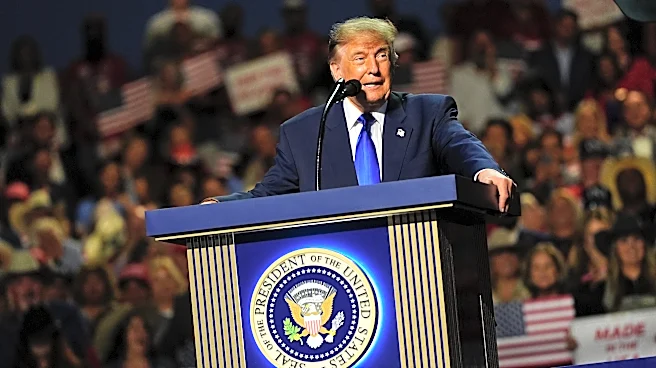
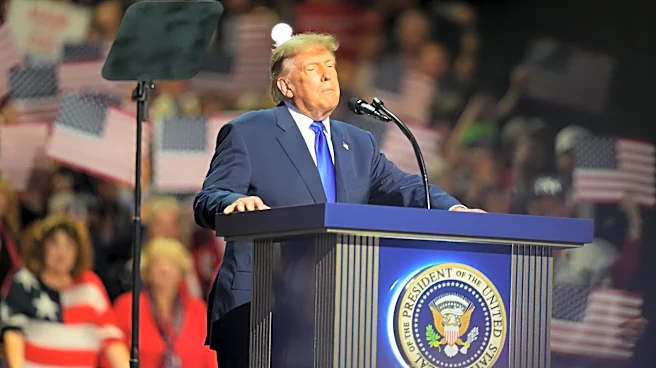
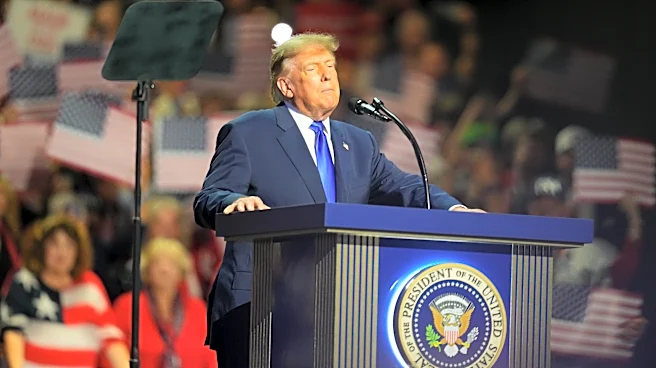
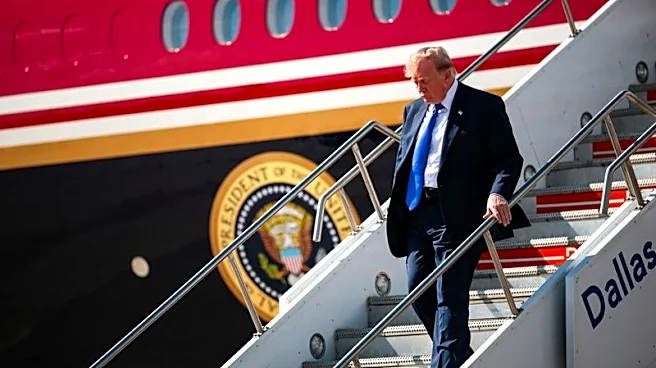
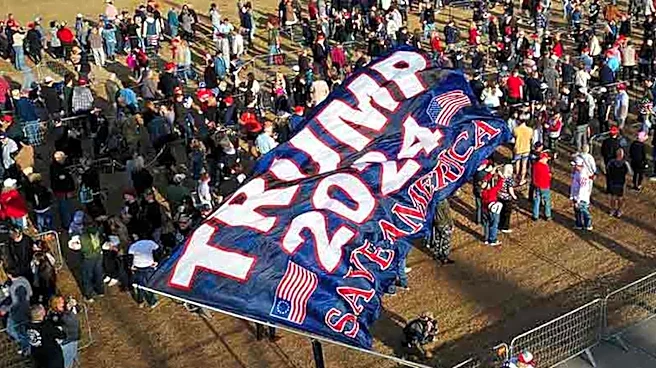
During a recent speech in Dallas, President Trump directed criticism at Abdul El-Sayed, the Democratic nominee for Michigan's open U.S. Senate seat. President Trump's remarks, which lasted nearly two hours at the Republican's midterm convention, characterized
El-Sayed as an individual who "hates family households (and) wants to destroy the American way of life." Specifically, President Trump made several claims, including that El-Sayed wants to pack the U.S. Supreme Court with 23 "far-left lunatic justices," that his sister celebrated a "terrorist slaughter of babies" in Israel, that his mother worked for an organization that supported individuals linked to Osama bin Laden, and that he campaigns with a "Marxist agitator" who said America deserved 9/11. However, reports indicate that many of these claims are erroneous, misleading, or lack proper context. El-Sayed has not made remarks about packing the Supreme Court to 23 members, his half-sister's social media post did not explicitly celebrate attacks, his birth mother's work with a designated organization predates charges against her, and the internet influencer he campaigned with has disavowed past controversial comments.
Why It's Important?
President Trump's statements against Abdul El-Sayed are important because they represent a significant escalation in political rhetoric and the use of potentially misleading information in a high-stakes U.S. Senate race. Such claims can influence public perception, potentially swaying voters and shaping the narrative of the election. The targeting of a Democratic nominee with unsubstantiated or out-of-context accusations can polarize the electorate further and distract from substantive policy debates. This approach to campaigning can also undermine trust in political discourse and the media, as voters are left to discern the truth amidst conflicting information. For El-Sayed, these claims necessitate a robust response to clarify his positions and defend against the accusations, potentially diverting resources and attention from his core campaign messages. The incident highlights the challenges of maintaining factual accuracy in modern political campaigns, especially with the rapid dissemination of information through various channels.
What's Next?
In the aftermath of President Trump's remarks, Abdul El-Sayed's campaign will likely continue to issue clarifications and rebuttals to counter the misleading claims. This will involve providing factual context for the accusations and reiterating El-Sayed's actual policy positions. The Republican nominee, former U.S. Rep. Mike Rogers, whom President Trump endorsed, is expected to continue his campaign, potentially leveraging the momentum from President Trump's support. The general election in Michigan is anticipated to be highly contested, with both campaigns focusing on mobilizing their respective bases and appealing to undecided voters. Media outlets will likely scrutinize future statements from both sides, attempting to fact-check claims and provide balanced coverage. The incident may also prompt increased scrutiny of campaign advertising and public statements, as the accuracy of information becomes a central theme in the election.
Beyond the Headlines
This event underscores a broader trend in contemporary U.S. politics where personal attacks and character assassinations often overshadow policy discussions. The use of potentially misleading information, particularly from high-profile political figures, can contribute to a climate of distrust and cynicism among the electorate. It also raises questions about the responsibility of political leaders to present accurate information and the role of media in fact-checking and contextualizing political rhetoric. The incident could further entrench partisan divisions, making it more challenging for voters to engage with candidates based on their platforms rather than on sensationalized claims. Ultimately, the long-term impact could be a further erosion of civil discourse and an increased difficulty in fostering common ground on critical national issues, as political campaigns become more focused on discrediting opponents through any means necessary.